
Is There an Alternative to a CPAP Machine? Guide
Several sleep apnea treatments may be considered instead of CPAP. Learn how oral appliances and other options differ, and what to discuss with your clinician.

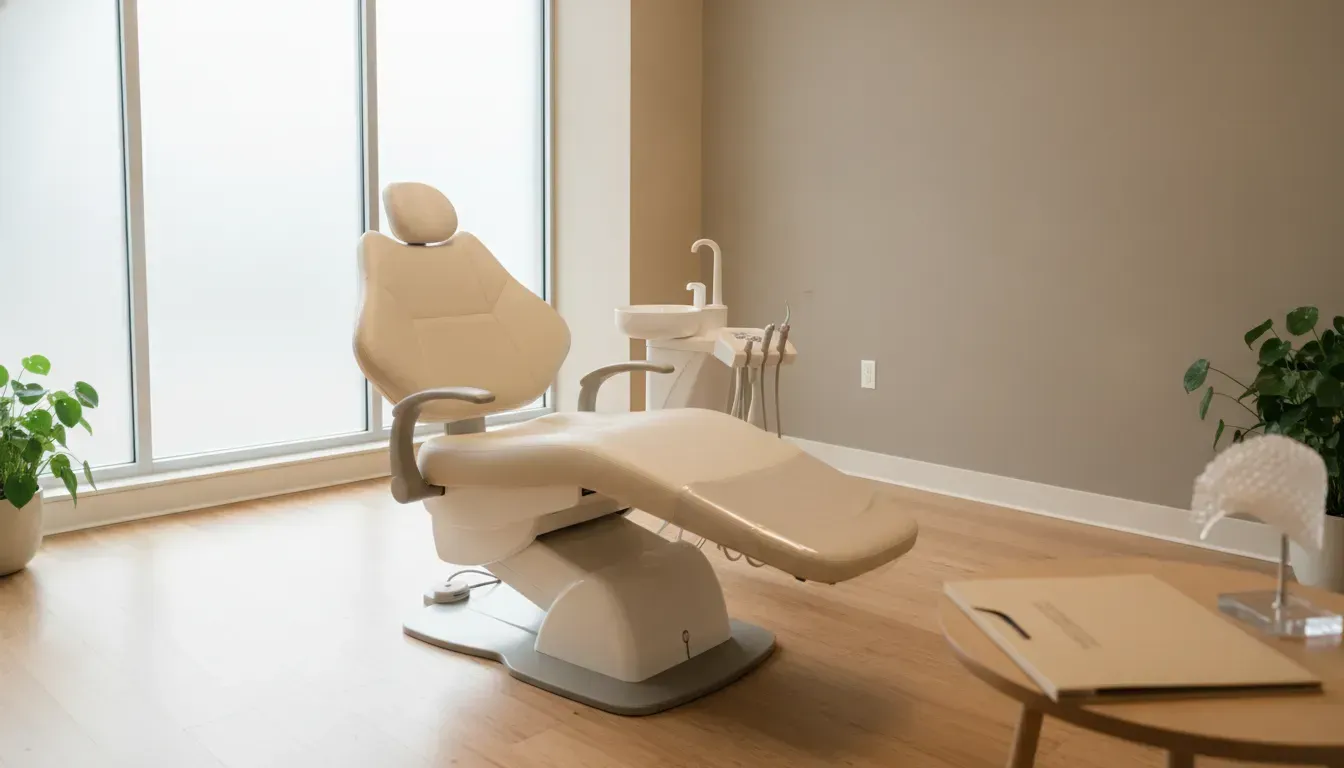
If you are asking, “is there an alternative to a CPAP machine?” the short answer is yes, but the right option depends on your diagnosis, health, and treatment needs. Some people explore a custom oral appliance or another approach with their care team. Do not stop or change prescribed treatment on your own; talk with the clinician managing your sleep apnea first.
Why might someone look beyond CPAP?
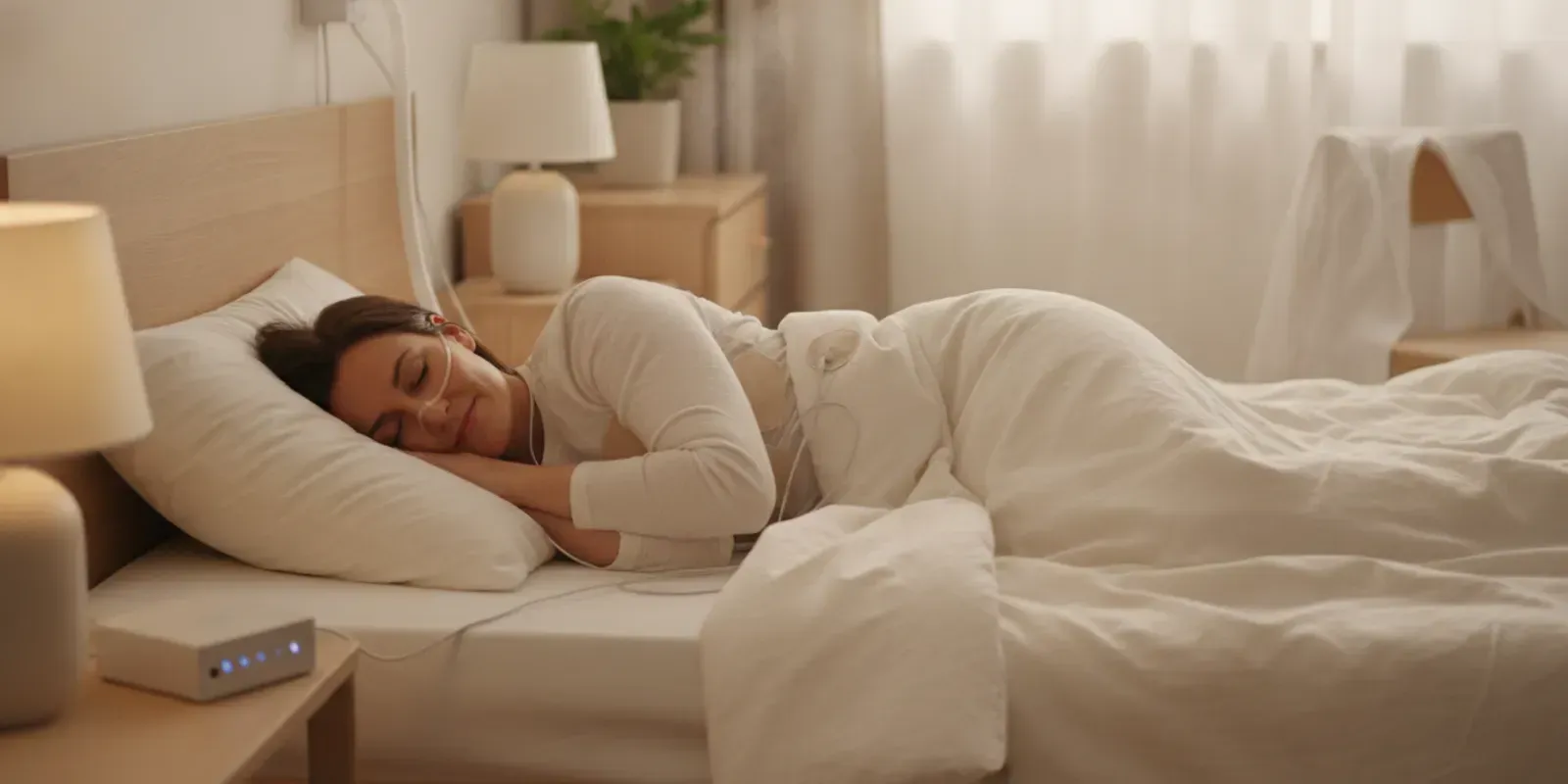
Continuous positive airway pressure, or CPAP, uses a machine, tubing, and a mask to deliver pressurized air during sleep. It is a commonly used treatment for obstructive sleep apnea. People may find it difficult to use consistently for different reasons, including mask comfort, air leak, dryness, pressure concerns, or the practical effort of keeping equipment clean and packed. The particular issue matters: sometimes a change to the mask, fit, humidification, or prescribed settings can help, while in other cases a clinician may discuss a different treatment path.
Having trouble with CPAP does not mean you have failed, and it does not establish that another treatment will suit you. Sleep apnea has different forms and levels of severity, and symptoms alone cannot confirm which type a person has. A sleep clinician can review your study, health history, and experience with treatment before recommending a next step. If discomfort or a new symptom is making treatment difficult, tell the clinician rather than quietly setting the equipment aside.
For a closer look at how a dental option compares with PAP, read our guide to CPAP alternative options. A comparison can help you prepare questions, but it cannot determine your personal eligibility.
What alternatives may a clinician discuss?
There is no single replacement that works for everyone. Depending on the diagnosis and individual circumstances, a care team might discuss improving the current PAP experience, a custom oral appliance, positional approaches, changes to health habits, or a procedure. These options are not interchangeable, and some may be considered alongside rather than instead of other care.
| Option to discuss | What it involves | Key question for your clinician |
|---|---|---|
| Adjusting PAP treatment | Reviewing mask fit, comfort concerns, equipment use, or prescribed settings with the treating team. | Could an adjustment address the reason I am struggling? |
| Custom oral appliance | A clinician-selected dental device worn during sleep; many devices work by holding the lower jaw in a forward position to help maintain an airway. | Does my sleep study and dental health make this a reasonable option? |
| Positional approach | Strategies intended to reduce sleeping in a position that worsens breathing for some people. | Does my sleep study show a meaningful position-related pattern? |
| Health habit changes | Individualized steps, such as discussing weight, alcohol, or sleep routines when relevant to your health. | Which changes are appropriate, and should they complement another treatment? |
| Procedure or implanted therapy | Selected procedures or devices may be considered after medical evaluation of eligibility and other treatment history. | What evaluation is needed, and what benefits and risks apply in my case? |
The table is a starting point for discussion, not a recommendation or ranking. The clinician who knows your diagnosis can explain which choices are appropriate and what monitoring each requires. For example, an approach that targets sleep position is not automatically a substitute for prescribed therapy, and a dental device is not suitable for every patient.
What does considering another treatment involve?
A treatment change should be a planned clinical decision, not a trial-and-error switch made alone. First, the care team can revisit the sleep-study findings and the reason the current plan is difficult. If the concern is a mask or equipment issue, the clinician or equipment provider may be able to suggest adjustments. If a different therapy is being considered, ask what makes you a candidate, what the treatment is intended to address, and whether it is meant to replace or accompany your current plan.
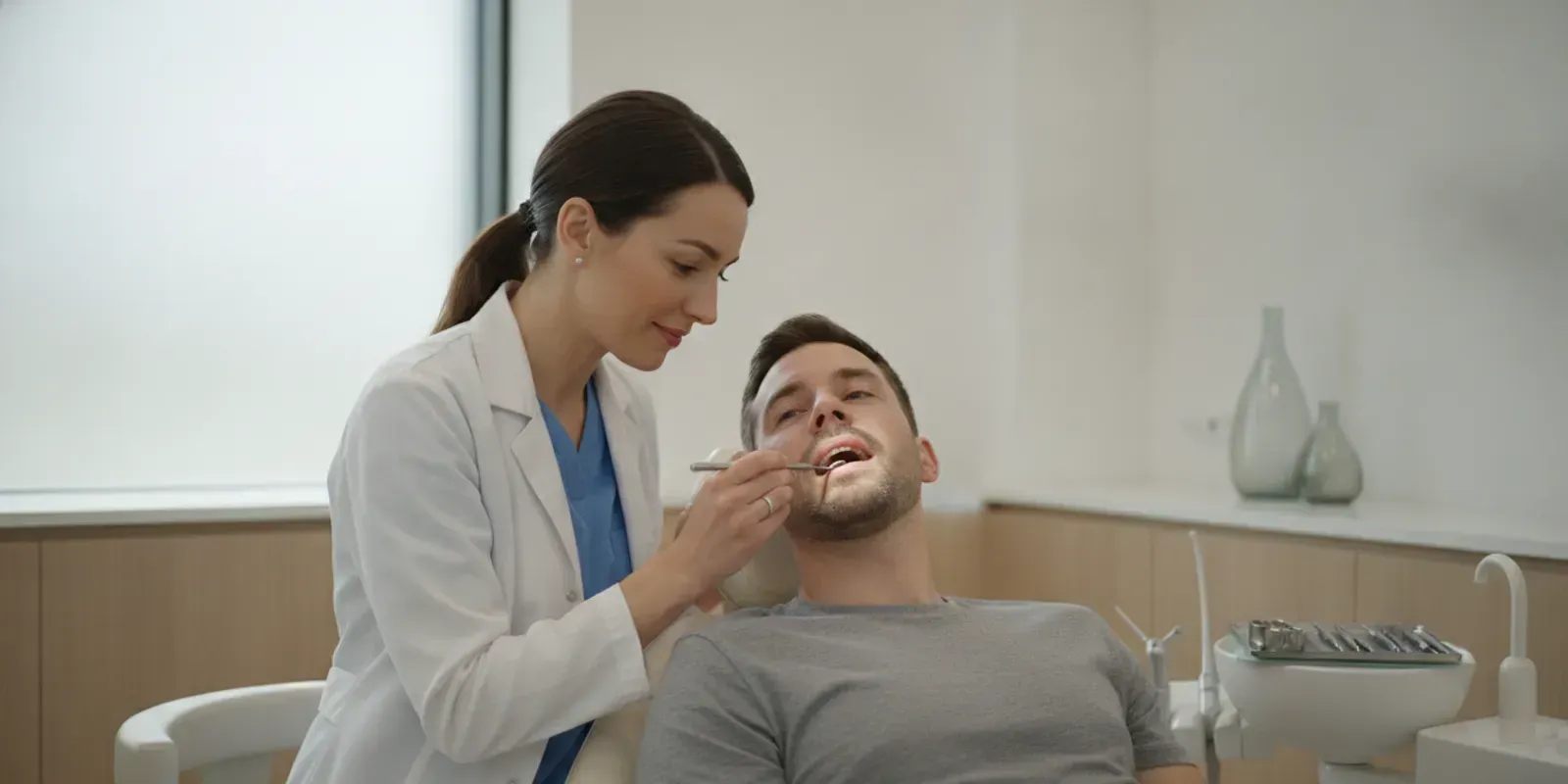
For an oral appliance, the dental provider needs to assess whether a device can be fitted appropriately and coordinate care around the existing sleep-apnea diagnosis. This is different from buying a device online and seeing whether it seems to help. For a positional approach, ask whether your documented breathing pattern supports trying it and whether it needs to be combined with another treatment. For a procedure or implanted device, ask which specialist evaluates candidacy, what preparation is involved, and what follow-up is expected. Those pathways can involve distinct eligibility assessments; a general list of treatments cannot tell you which applies.
It is also useful to agree on what happens during the transition. Ask whether you should continue using your current therapy while evaluations are underway, who to contact if symptoms worsen, and how the team will assess the new approach. That can include a scheduled review or testing recommended by your clinician. Make sure you understand the timing and whom to call with questions. A clear plan helps keep the decision connected to your actual diagnosis rather than a product description or anecdote.
Could an oral appliance be an alternative to a CPAP machine?
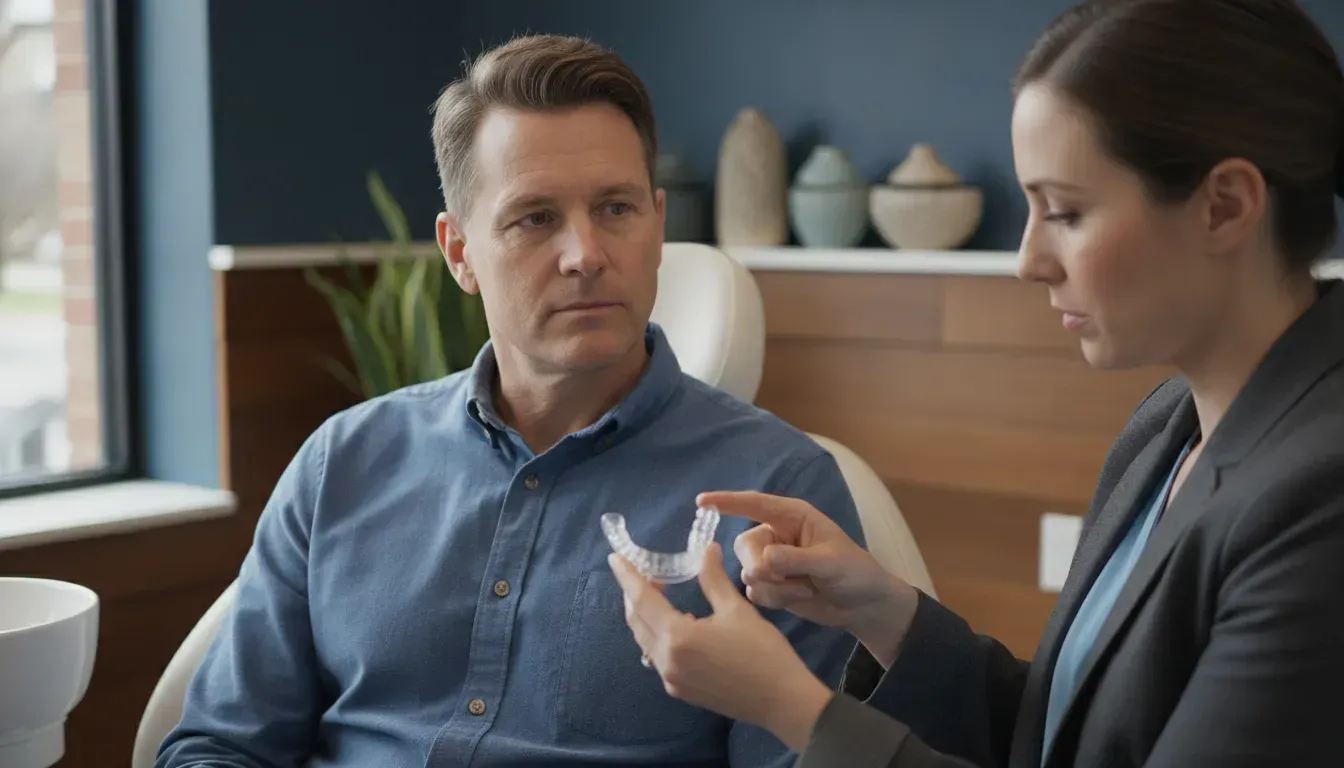
A custom oral appliance is one option that a clinician may consider for a person with obstructive sleep apnea. It is worn in the mouth during sleep. Many appliances used for this purpose are designed to position the lower jaw forward, which can help keep the airway more open. The device is made and adjusted for the individual; it is not the same as buying a generic mouthguard or anti-snoring product.
Oral appliances can appeal to people who prefer a compact device or have difficulty tolerating a mask. But convenience alone does not show that an appliance is clinically suitable or that it will control a person’s sleep apnea. Dental health, the sleep-study findings, and other individual factors all matter. A dentist with appropriate sleep-medicine experience works within the diagnosis and coordinates with the physician who manages the sleep apnea.
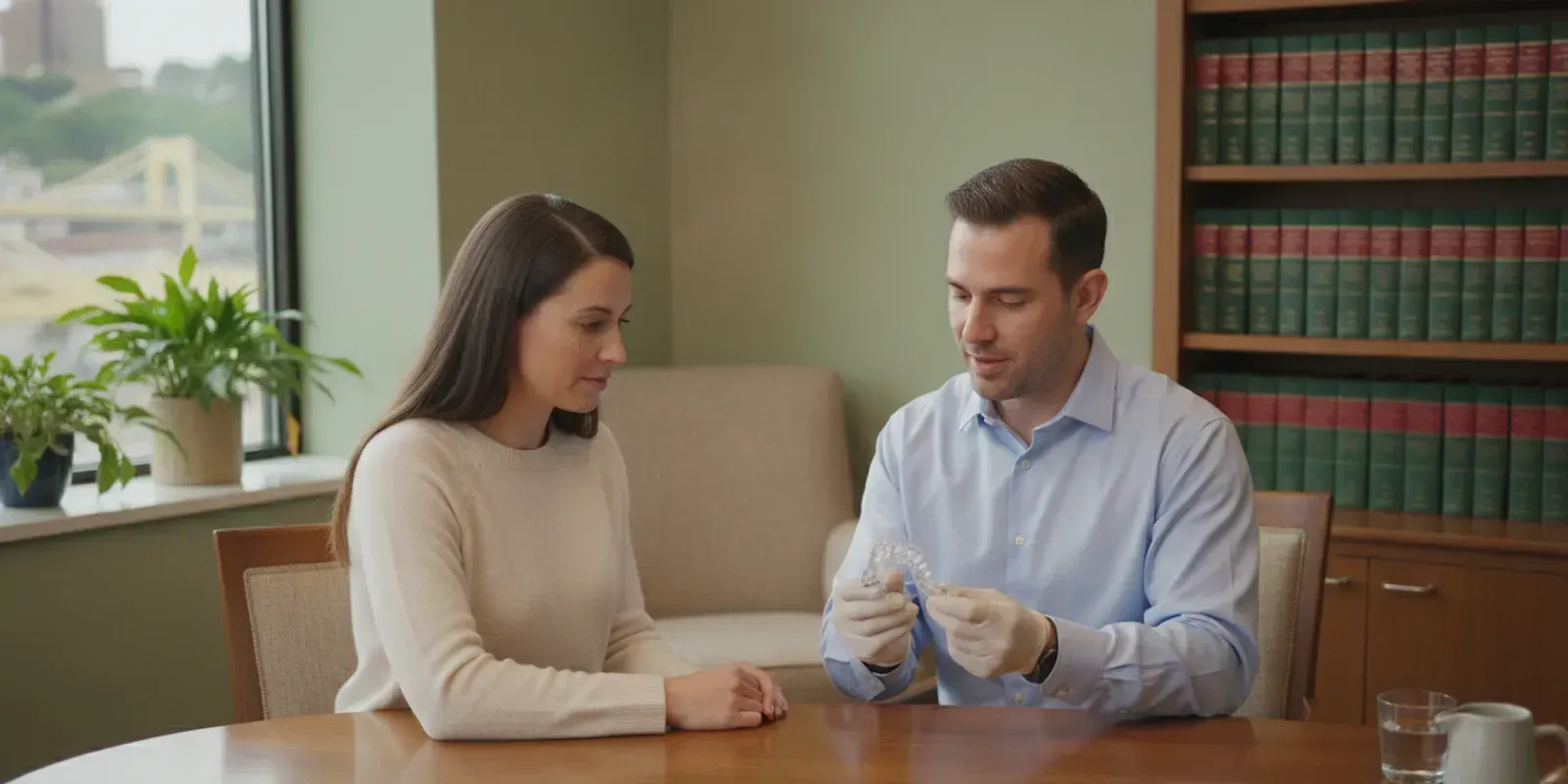
When discussing this option, be ready to share whether you have a current sleep-study report and who is managing your diagnosis. The dental visit can address whether an appliance may be appropriate and what information is needed from your medical team. Ask what the evaluation includes, how the appliance is fitted and adjusted, and how the clinician will communicate with your sleep physician. You can also ask how coverage is checked and what costs may apply to your specific plan. Answers depend on the patient and insurer, so do not assume that a particular device, appointment sequence, or payment amount applies to everyone.
If an appliance is recommended, ask how it will be selected and adjusted, what follow-up is expected, and how your clinician will check whether treatment is working. Do not assume that less noticeable equipment means less need for follow-up. Continue to follow the plan from your medical team while any change is being evaluated.
The American Academy of Sleep Medicine discusses implanted hypoglossal nerve stimulation as an alternative for some adults with obstructive sleep apnea who have not succeeded with CPAP; that is a specific clinical pathway, not a general recommendation for every patient. Duke’s overview of an implanted CPAP alternative describes that option. A specialist can explain whether any procedure or implanted treatment is relevant to your situation.
What if CPAP is uncomfortable but otherwise working?
Before deciding you need a different treatment, identify what is getting in the way. Is the mask uncomfortable, does air escape near the eyes, do you wake with dryness, or is the equipment hard to manage when traveling? Write down when the problem happens and what you have tried. Bring the information to the clinician or equipment provider managing your PAP. They can advise whether a fit review or another adjustment is appropriate.
Do not change pressure settings unless the prescribing clinician directs you to do so. Also, avoid assuming a symptom is caused by the machine without discussing it. Some problems may need separate attention, and an adjustment that helps one person may not be suitable for another. If you have significant new or worsening symptoms, contact your healthcare professional promptly.
For more focused preparation, see what to tell your clinician about CPAP side effects. Keeping the discussion specific can make it easier to distinguish a fixable equipment concern from a need to reconsider the overall treatment plan.
How can you compare the choices?
Instead of asking only which treatment is easiest, compare how each option fits your diagnosed condition and everyday life. Consider these points with your sleep clinician:
- Diagnosis: Confirm the type of sleep apnea and review the sleep-study results. Do not use snoring or daytime tiredness alone to choose treatment.
- Effectiveness for your case: Ask what the evidence and clinical experience suggest for someone with your specific findings, and how success will be checked.
- Practical fit: Discuss comfort, cleaning, travel, routine, and whether you can use the treatment as directed.
- Health and dental factors: For an oral appliance, ask whether your teeth, gums, jaw, and overall dental situation need assessment before treatment.
- Follow-up: Find out who will monitor treatment, when you should return, and whether additional testing may be needed.
- Coverage and expense: Ask your care team and insurer what applies to the specific treatment and your plan. Coverage and out-of-pocket costs vary; do not rely on a general estimate as a promise.
A written comparison can help if you are weighing two options. Note what the clinician recommends, what concerns remain, and what the next checkpoint will be. A clear follow-up plan matters because feeling better is not, by itself, proof that sleep apnea is controlled.
What should you bring to an evaluation?
Preparing a few details can make a conversation more productive. Bring or request a copy of your sleep-study report if available, the name of the clinician who diagnosed you, and a list of treatments you have tried. If you use PAP, bring the machine or mask details when practical, and describe the specific issue rather than just saying it is uncomfortable.
- When did the difficulty begin, and does it happen every night?
- What parts of the mask or equipment bother you?
- Have you contacted the prescribing clinician or equipment provider about adjustments?
- What options are medically reasonable based on my diagnosis?
- If considering an oral appliance, what dental evaluation and medical coordination are needed?
- How will we know whether the treatment is working, and when will we review it?
- What should I do with my current treatment while another option is being considered?
People diagnosed with sleep apnea who are considering a dental appliance can learn about custom oral appliances for sleep apnea. The practice’s care team can review whether an appointment is an appropriate next step; a webpage cannot determine candidacy.
Frequently asked questions
Is there an alternative to a CPAP machine for everyone?
No. Some people may have a suitable alternative, while others may benefit most from continuing CPAP or addressing a problem with its fit or use. The diagnosis and individual assessment guide that decision.
Can I stop using CPAP while I look for another option?
Do not stop or change prescribed treatment without speaking with your treating clinician. Ask what to do while your concerns are being assessed and before any new treatment is confirmed.
Does an oral appliance replace a sleep study?
No. An oral appliance does not diagnose sleep apnea. A qualified medical professional diagnoses the condition, and the treatment plan should be based on the diagnosis and appropriate follow-up.
Are store-bought mouthguards the same as a custom sleep apnea appliance?
No. A custom appliance is selected and fitted for an individual as part of clinical care. A generic mouthguard is not a substitute for evaluation or a prescribed treatment plan.
Talk with your clinician about the next step
If CPAP is difficult to use, you have options to discuss, but changing treatment should be guided by your diagnosis and care team. Sleep Apnea Dental Center provides custom oral appliances for sleep apnea and can review the appointment process for diagnosed patients considering this approach. For a patient-specific recommendation, speak with your sleep clinician and request an appointment to discuss whether an oral appliance evaluation is appropriate.
Bring your sleep-study information and questions so your care team can help you make an informed, coordinated decision.