
Upper Airway Resistance Syndrome: What to Know
Upper airway resistance syndrome sits between snoring and sleep apnea. Learn the signs and why a physician must make the diagnosis.

Upper airway resistance syndrome can leave you exhausted even when a basic sleep test does not show obstructive sleep apnea. The airway narrows, so each breath takes more work. That extra effort can wake the brain many times a night. You may not gasp. Your oxygen may not drop the way it does in classic apnea. A physician has to sort this out with a sleep study. This office does not diagnose it or run sleep studies.
Call (412) 367-0367 if a physician has already evaluated your sleep and you want to ask about a dental visit.
People often reach this topic after years of snoring or unrefreshing sleep. Sometimes a study was called mild or normal, and the fatigue stayed. The useful next step is not a self-diagnosis. It is a clear picture of the pattern, how it differs from apnea, and which clinician should read the study.
What Upper Airway Resistance Syndrome Means
Upper airway resistance syndrome, often shortened to UARS, is a sleep-related breathing disorder. Air still moves, but the upper airway resists that flow. The soft tissues of the nose and throat narrow. Breathing muscles work harder to pull air through the smaller opening. The brain senses that effort and causes a brief arousal so the airway can open again.
Those arousals are called respiratory effort-related arousals, or RERAs. You may not remember them. A bed partner may notice restless sleep, light snoring, or frequent position changes rather than long pauses in breathing. Over a full night, the interruptions break up sleep and leave daytime tiredness.
Clinicians first described this pattern in the early 1990s. They were seeing people with clear sleepiness who did not have enough apneas or hypopneas to meet an obstructive sleep apnea diagnosis. A 2025 clinical review on the NCBI Bookshelf places UARS between primary snoring and obstructive sleep apnea. It is a medical description, not a label you can confirm from symptoms alone.
One research definition keeps the apnea-hypopnea index under 5 events an hour. Oxygen saturation stays at or above 92 percent. The RERA index is at least 5 events an hour, and daytime symptoms are present. Another description looks for flow limitation during at least 5 percent of sleep. It uses the same low apnea count and preserved oxygen. Sleep physicians do not all use one cutoff. The shared idea is extra effort and broken sleep without the oxygen drops of typical apnea.
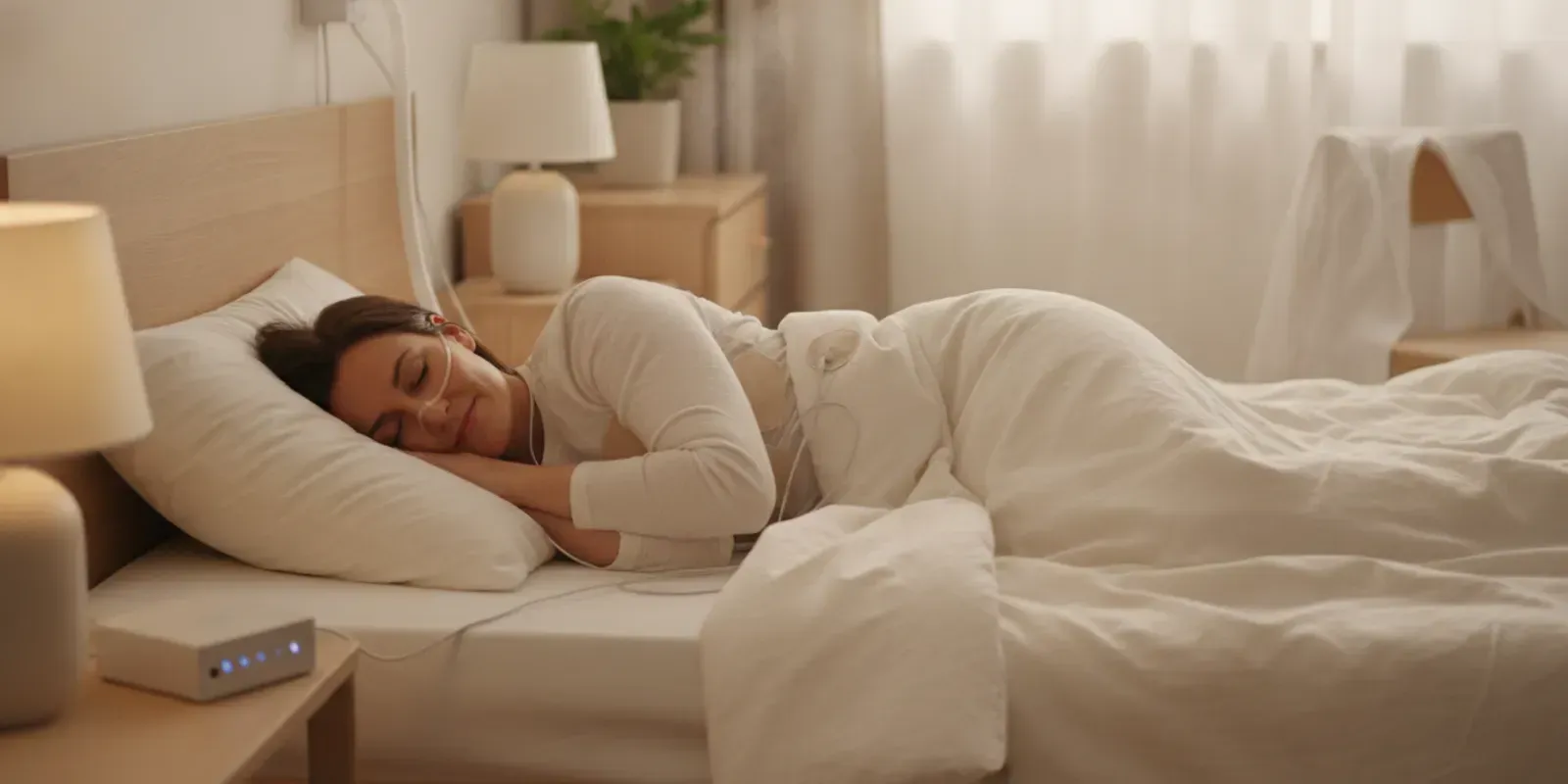
That is why a home screening that only counts pauses and oxygen dips can miss the pattern. A full in-lab sleep study is better at showing inspiratory flow limitation and the arousals tied to it. Esophageal pressure monitoring can show the effort directly, but many sleep labs do not use it routinely. Nasal pressure signals are the more common clue.
How It Differs From Snoring and Obstructive Sleep Apnea
Snoring, UARS, and obstructive sleep apnea can share a narrow airway, but they are not the same finding. Snoring is the sound of air moving through a tight space. On its own, it does not prove a sleep breathing disorder. Our sleep apnea education page describes snoring as a breathing problem that sometimes flags obstructive sleep apnea, and it describes apnea as a complete block to airflow.
In obstructive sleep apnea, the airway collapses enough to reduce or stop airflow. Oxygen often falls. Breathing restarts with a gasp, choke, or cough. Severity is summarized with the apnea-hypopnea index, the count of those events per hour of sleep. UARS is the in-between pattern: resistance and arousals, usually without that degree of oxygen loss, and often without witnessed pauses.
People with UARS are often younger and less heavy than people with obstructive sleep apnea. A recessed lower jaw, a narrow nasal passage, or low muscle tone in the throat can contribute. Those traits are clues for a physician, not a diagnosis you can make in a mirror. Some studies are first read as normal, or as mild apnea, because RERAs were not scored.
| Feature | Primary snoring | Upper airway resistance syndrome | Obstructive sleep apnea |
|---|---|---|---|
| Airflow. | Noisy, but generally preserved. | Limited by resistance, with rising effort. | Reduced or stopped during events. |
| Typical sleep-study clue. | Snoring without a scored breathing disorder. | RERAs or flow limitation. AHI often under 5. | Apneas and hypopneas, summarized as the AHI. |
| Oxygen. | Usually stable. | Often stays at or above about 92 percent. | Often drops during events. |
| What it feels like. | Noise that disturbs a partner. | Fatigue and unrefreshing sleep. Sometimes light snoring. | Pauses, gasping, and daytime sleepiness. |
The table is a teaching sketch. Your own study can show a mix. Only the physician who ordered and interpreted it can say which label fits.
Symptoms That Should Prompt a Medical Visit
The symptoms overlap with ordinary poor sleep, so the pattern matters more than any single complaint. People described in the clinical literature often report snoring, fatigue, morning headaches, low mood, and sleepiness, usually without witnessed pauses or gasping. Sleep may break up two or three hours after you fall asleep. You wake unrefreshed and stay tired through ordinary tasks.
Other complaints can include restless sleep, waking with a dry mouth, trouble concentrating, and irritability. None of these proves UARS. The same list appears with insufficient sleep, insomnia, depression, and obstructive sleep apnea. The education page on this site also lists fatigue, morning headaches, mood changes, and grinding among apnea symptoms. That overlap is exactly why guessing from a checklist is a bad idea.
Seek a medical evaluation when daytime tiredness persists, when a partner notices noisy or restless breathing, or when an earlier study did not explain how you feel. Tell the clinician about morning headaches, mood changes, and whether anyone has seen you stop breathing. Bring prior study reports if you have them. Do not start, stop, or swap a prescribed therapy based on an article.
Delayed recognition is not harmless. The same clinical review links missed cases with high blood pressure, insulin resistance, and a lower quality of life. Those are reasons to get a physician's evaluation. They are not a promise that any treatment, including an oral appliance, will lower blood pressure or change blood sugar.
How a Physician Evaluates the Pattern
Diagnosis belongs to a qualified physician, usually with a sleep specialist reading the study. Sleep Apnea Dental Center does not diagnose upper airway resistance syndrome and does not perform sleep testing. A dentist cannot confirm this condition from an exam of the teeth and bite.
A useful evaluation usually includes:
- A medical history covering snoring, witnessed pauses, daytime sleepiness, morning headaches, mood, and other conditions that fragment sleep.
- An airway and nasal exam, sometimes with a look at jaw position, tonsils, and nasal blockage.
- A sleep study chosen by the physician. A full laboratory study is preferred when UARS is the question, because home tests can underestimate this pattern.
- Scoring that looks for flow limitation and respiratory effort-related arousals, not only apneas, hypopneas, and oxygen dips.
- A written interpretation that separates primary snoring, UARS, and obstructive sleep apnea, and that names the next medical step.
If a prior home test was read as normal and symptoms continue, ask the ordering physician whether a laboratory study with arousal and flow-limitation scoring is appropriate. Do not assume a normal home test has closed the question. Also do not assume every tired snorer has this syndrome. Insomnia, schedule problems, and other medical issues remain common.
Where Dental Care Fits After the Diagnosis
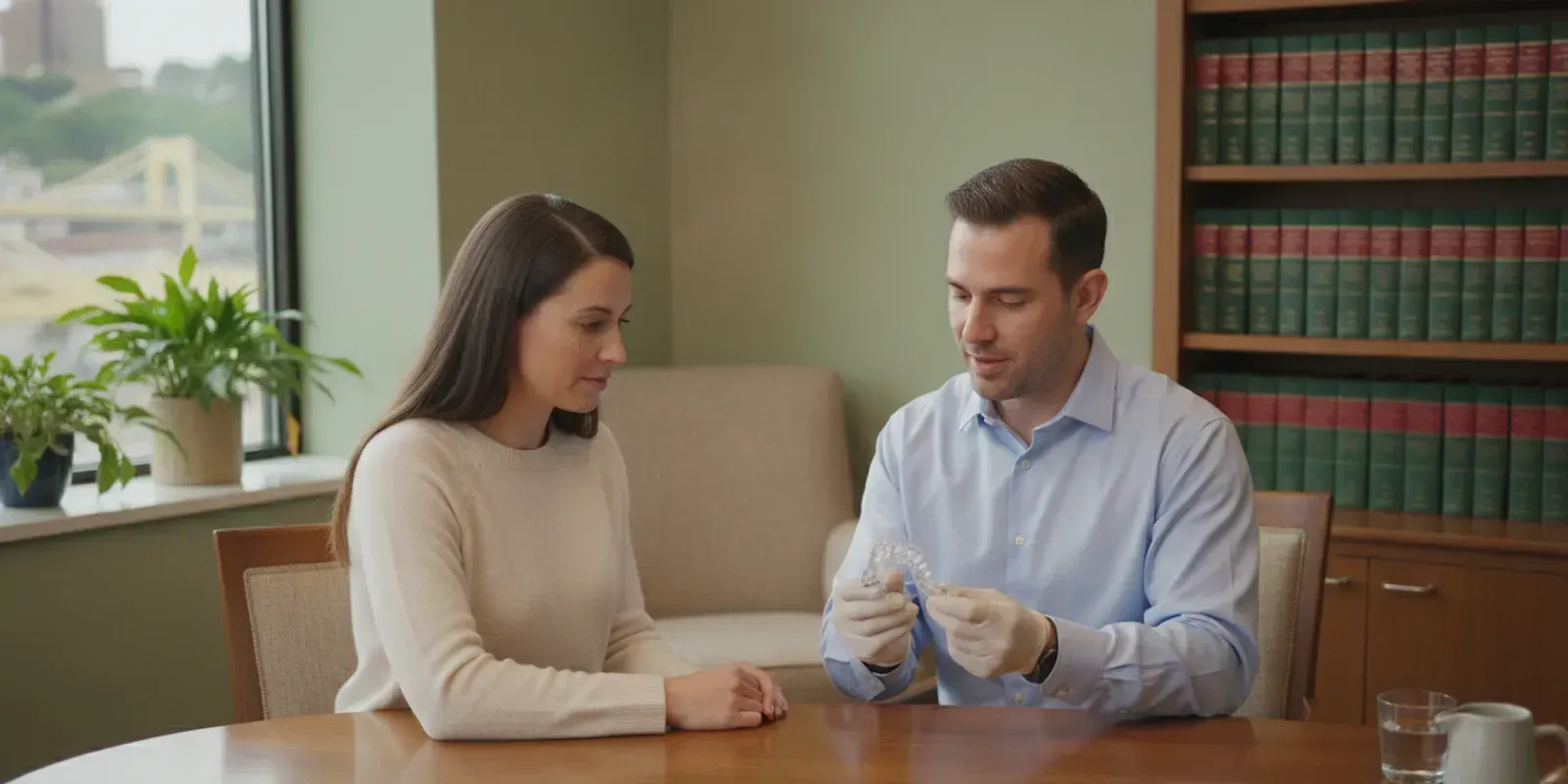
Once a physician has identified a sleep-related breathing problem, dental sleep medicine can be part of the care plan for some people. It is not the first step, and it is not automatic. Referring physicians send patients here only after a qualified physician has diagnosed obstructive sleep apnea. A brochure request is not a referral, and a self-scheduled visit does not create a covered plan of care.
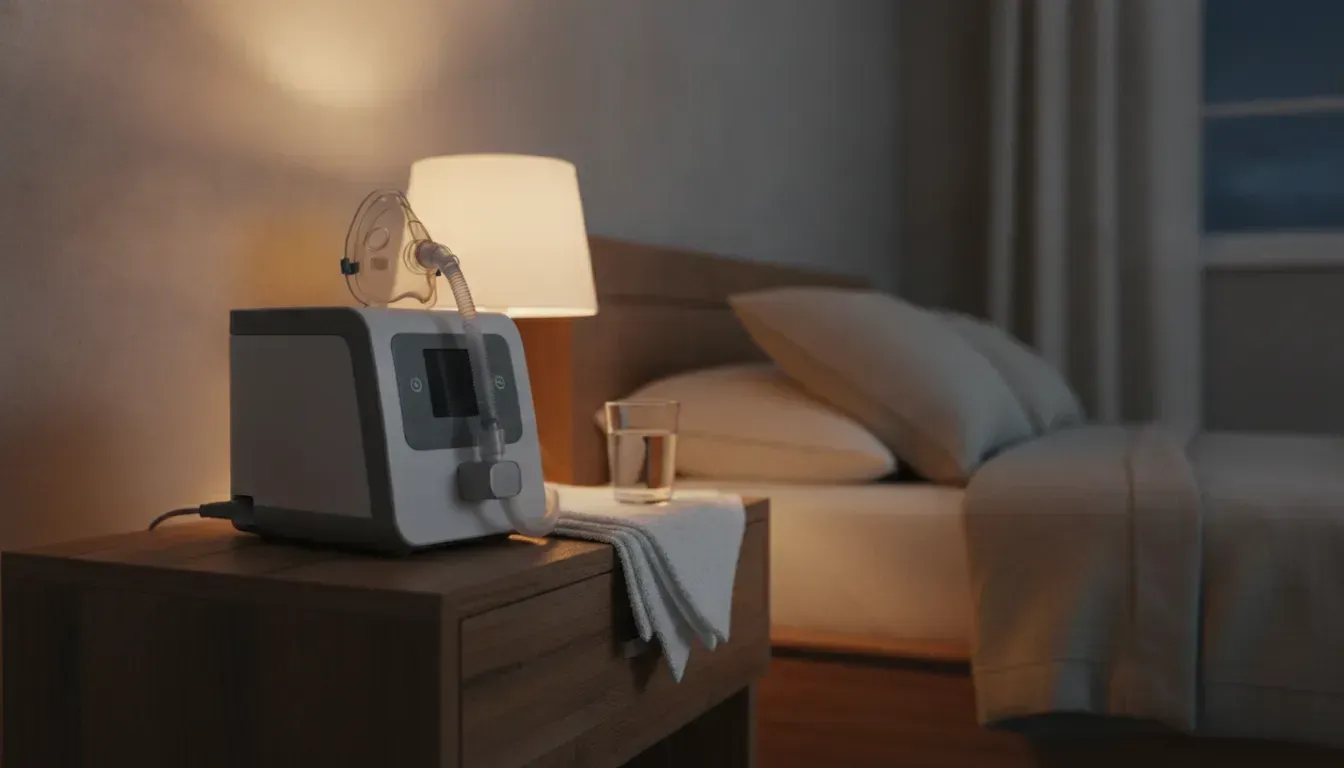
Published clinical discussion of UARS describes continuous positive airway pressure as the main therapy, preferably titrated in a lab so flow limitation is cleared. The same literature describes custom oral appliances as an option for people who cannot tolerate CPAP or who decline surgery. An appliance moves the lower jaw and tongue forward so the space behind the tongue is larger. That is a mechanism, not a guarantee that every device will help every person.
On our oral appliances page, the practice explains that a dentist chooses a device for the individual. That choice can account for clenching, grinding, jaw discomfort, and headaches. Non-apneic snoring is considered only after a sleep study has ruled apnea out. UARS is a physician's call, and it is not the same as simple snoring. If your study did not show obstructive sleep apnea, ask that physician whether a dental referral is appropriate before you request an appliance visit.
Surgery is another medical decision, reserved in the literature for people who do not tolerate CPAP or an oral appliance. This practice does not perform airway surgery. Weight, sleep position, and nasal breathing are also part of many physicians' plans. None of those steps replaces the sleep study.
If you already have a physician's diagnosis and a referral, you can request an appointment. Staff contact you within one to two business days to set up the visit. That window is for scheduling, not for making a device and not for a treatment timeline. The offices are in Moon Township, Cranberry Township, and Monroeville, with clinical hours that differ by location. Phones are answered weekdays from 8:30 a.m. to 4:00 p.m.
What This Practice Will Not Promise
A careful office is specific about limits. We will not tell you that you have upper airway resistance syndrome from a phone call or a web form. We will not run or interpret your sleep study. We will not claim that an oral appliance cures a breathing disorder, works for every sleeper, or is safer or better than CPAP for everyone.
Coverage is individual. The practice checks medical-insurance approval before a visit so you can hear about out-of-pocket cost. Authorization is not a promise of payment, and a snoring-only concern is not the same as a diagnosed breathing disorder. There is no public fee list, and this article will not invent one. Veterans who may use VA Community Care still need the VA referral path. Veteran status by itself does not establish covered care.
Bring the physician's report, the name of the ordering clinician, and any prior device or CPAP history to a dental visit. The dentist can then say whether an appliance is even a reasonable option. If it is not, the right outcome is a referral back to the physician, not a device made just in case.
FAQ
Is upper airway resistance syndrome the same as sleep apnea?
No. Obstructive sleep apnea is scored from apneas and hypopneas, often with oxygen drops. Upper airway resistance syndrome is increased effort and arousals, usually with an apnea-hypopnea index under 5 and oxygen that stays near normal. A physician has to make that distinction from a study, not from symptoms alone.
Can a home sleep test diagnose it?
Often it cannot. Home tests are built to catch pauses and oxygen dips. They can underestimate this pattern because the key finding is flow limitation with arousals. If symptoms continue after a normal home test, ask the ordering physician about a laboratory study.
Does loud snoring mean I have it?
No. Snoring can be present, mild, or absent. Loud snoring is a reason to talk with a physician, especially with daytime fatigue, but it is also common without this syndrome. A sleep study is what separates noise from a breathing disorder.
Will an oral appliance fix upper airway resistance syndrome?
Not by default, and not before a medical diagnosis. Clinical sources describe custom appliances as one option when someone cannot use CPAP or declines surgery. Whether a device is suitable is a decision for your physician and, after referral, a dental sleep medicine dentist. No appliance cures the condition.
Who should I call first?
Start with a physician who can order and interpret a sleep study. If that physician has already diagnosed a sleep breathing disorder and referred you for an appliance, call Sleep Apnea Dental Center at (412) 367-0367. The dental visit comes after the medical evaluation, not instead of it.
Talk With a Clinician About the Next Step
Upper airway resistance syndrome is a physician-diagnosed pattern of hard breathing and broken sleep. It sits between primary snoring and obstructive sleep apnea. A test that only watches oxygen can miss it. If you are tired despite a normal study, take the report back to the clinician who ordered it.
When a physician has already made a diagnosis and referred you for dental evaluation, Sleep Apnea Dental Center can review whether a custom oral appliance is appropriate. That review is individual. It is not a promise of treatment, coverage, or a specific result.
Call (412) 367-0367 to request a visit after your physician's evaluation, or send the appointment form and expect a scheduling call within one to two business days.