
What Does a Sleep Apnea Dentist Do? A Patient Guide
Learn what a sleep apnea dentist evaluates, how oral appliances may fit after diagnosis, and what Pittsburgh-area patients should prepare before a visit.
If you are asking what does a sleep apnea dentist do, the answer begins with one important boundary: a dental sleep medicine clinician evaluates dental considerations and may provide a custom oral appliance as part of care after a physician diagnoses obstructive sleep apnea (OSA). The dentist does not replace the physician who diagnoses OSA or orders a sleep study. For Pittsburgh-area patients, understanding that division of roles can make the next conversation clearer.
Request an appointment by phone
What does a sleep apnea dentist do after a diagnosis?
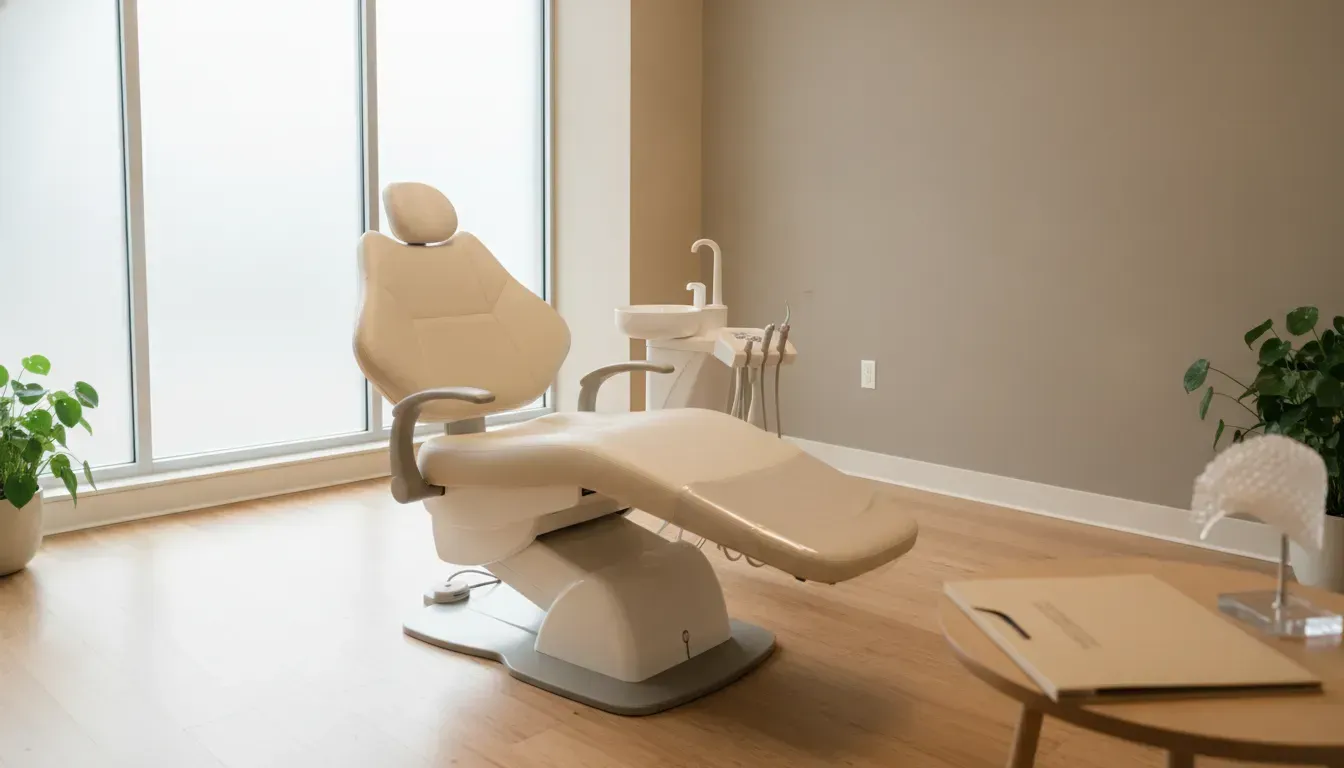
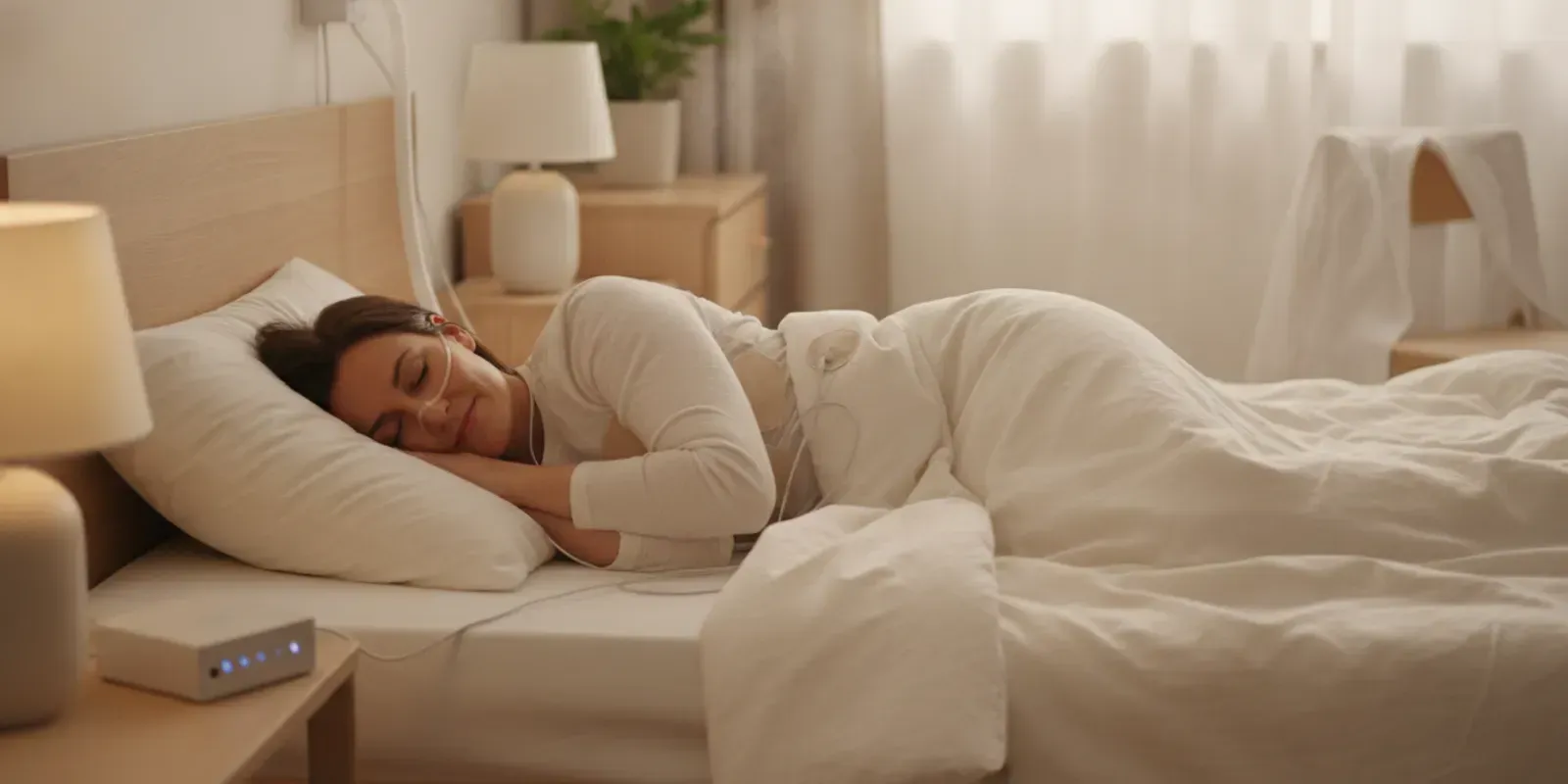
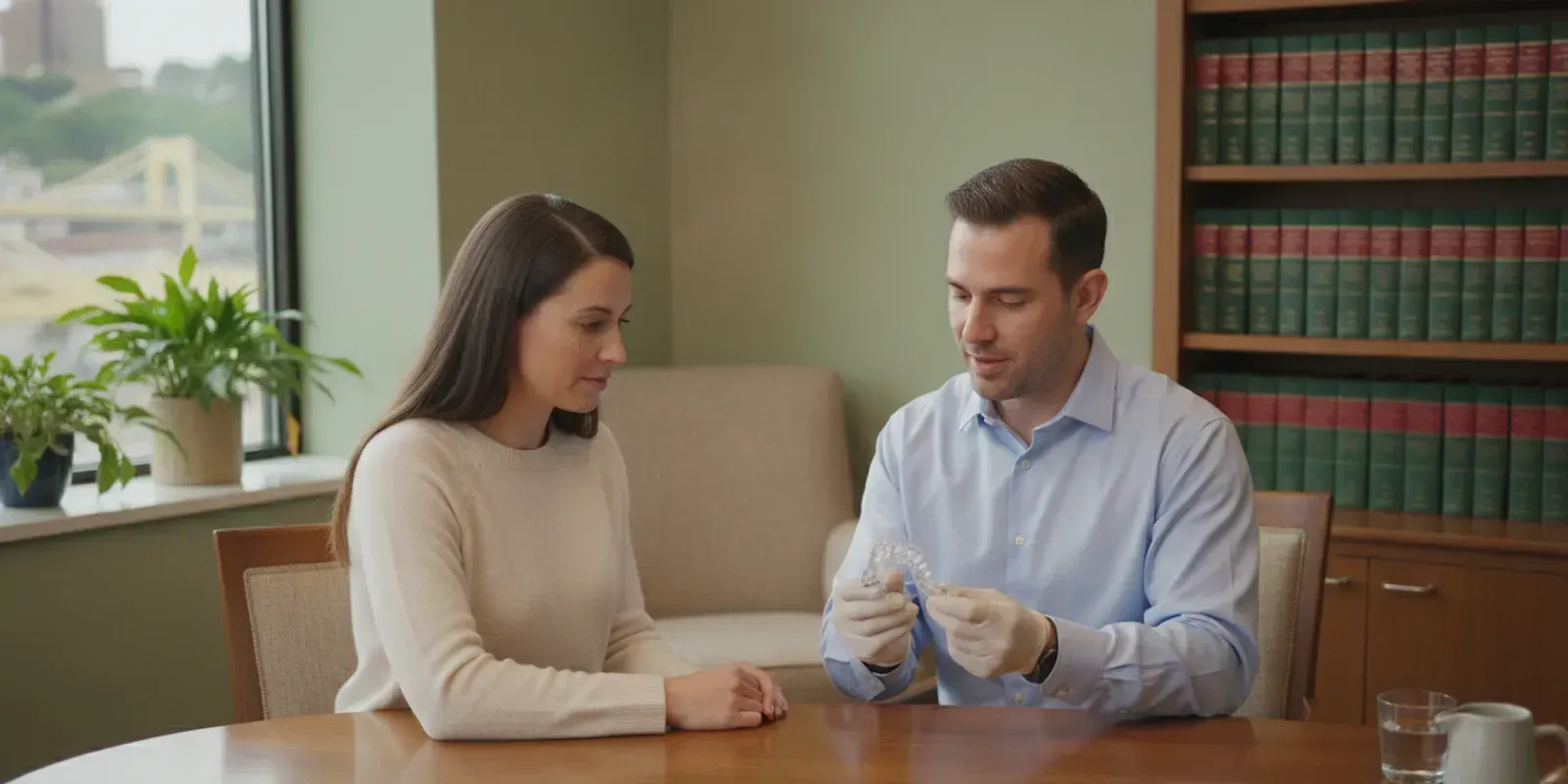
A dental sleep medicine visit focuses on the mouth, teeth, jaw, and whether an oral appliance may have a role in a broader treatment plan. The dentist can review why you were referred, discuss appliance care, and assess dental and jaw circumstances relevant to an evaluation. The visit is not a sleep study, and symptoms alone do not establish OSA.
Sleep Apnea Dental Center requires a qualified physician's diagnosis for formal OSA referrals. The practice does not diagnose OSA or conduct sleep studies. If you have loud snoring, waking up gasping, daytime sleepiness, or morning headaches but no diagnosis, talk with a physician about whether evaluation or testing is appropriate. Do not treat a dental appointment as a substitute for that medical step.
The American Academy of Dental Sleep Medicine describes screening questions that may cover energy and drowsiness, health history, medications, and sleep quality. These questions frame a conversation; screening is not diagnosis. Read the AADSM patient-experience overview for its description.
Where can an oral appliance fit into OSA care?
The practice describes custom oral appliances as an option for some people with OSA, including people who have difficulty tolerating CPAP. It is not an automatic choice or a universal replacement for CPAP. The right discussion depends on the person's diagnosis, circumstances, and the clinicians involved in care.
Practice information says clinicians consider individual factors such as clenching, grinding, TMJ discomfort, and headaches when selecting an appliance. These are details to discuss, not a promise that an appliance will resolve them or a standalone treatment claim. Ask how your specific dental history might affect consideration of an appliance.
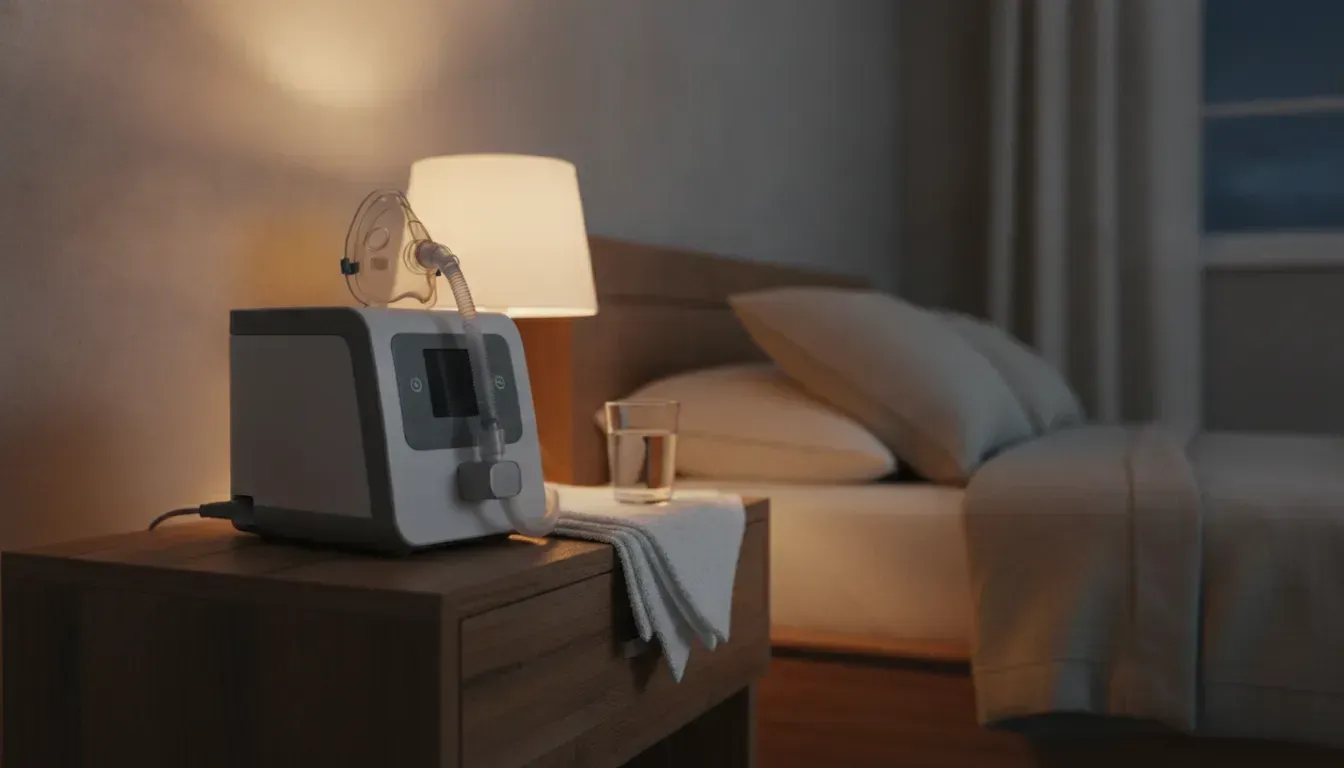
If CPAP is difficult to use, tell the physician managing your sleep care. Ask whether the difficulty can be addressed and whether an oral-appliance evaluation could be considered. Do not stop, change, or set aside prescribed therapy on your own. Decisions about the overall OSA plan belong in coordination with the treating physician.
For a description of this practice's approach, see its oral-appliance treatment information. It describes custom care, not an off-the-shelf mouthguard, and does not mean one device or approach suits every patient.
What happens during an evaluation?
The exact visit sequence depends on the person and the records available. The practice does not publish a guaranteed number of visits, a standard fabrication timeline, or a universal plan. Prepare the medical context, write down your questions, and clarify how the dental and physician teams will coordinate.
- Bring diagnosis and relevant records. Have the physician's diagnosis and sleep-study information available if possible. Ask the referring office which records to send and whether the dental practice needs specific documentation. A symptom list alone does not meet the formal OSA referral requirement.
- Describe current treatment. If you use CPAP, explain what is difficult, what you have discussed with your physician, and what you hope to understand. This helps frame the question without predetermining appliance suitability.
- Share dental and jaw history. Mention dental work, clenching, grinding, jaw discomfort, or headaches. Ask how those details affect evaluation rather than assuming the appliance is intended to treat an individual symptom.
- Ask about coordination. Confirm how the dental team and physician communicate, what information returns to the physician, and what follow-up the physician expects. Keep the physician involved in treatment decisions and reassessment.
- Clarify coverage. The practice says it checks medical-insurance approval before the visit so patients can understand expected out-of-pocket costs. Coverage varies, and approval is not a guarantee of payment. Ask what has been checked and what remains uncertain.
Make your questions specific. If CPAP tolerance is the concern, ask what information the physician should provide and how a dental evaluation fits into the existing plan. If jaw discomfort is relevant, ask whether it affects appliance selection. If records are incomplete, find out what the office needs before an appointment can be arranged.
How do the dentist and physician work together?
OSA care involves distinct responsibilities. A qualified physician evaluates and diagnoses the condition and may order or interpret testing. A dental sleep medicine clinician evaluates dental considerations and may provide an oral appliance when that option is appropriate. The physician remains important for overall sleep-health management and follow-up.
That coordination matters when someone is considering another option because CPAP is difficult to tolerate. The dental clinician needs accurate medical context, while the physician needs to know what treatment is under consideration. Ask who will receive updates and what follow-up the physician recommends. Do not assume the same records or schedule applies to everyone.
Sleep Apnea Dental Center provides referral information for physicians, advanced practice providers, and dentists. Its formal OSA referral pathway requires physician-diagnosed OSA, including when a dentist initiates the referral. A referring clinician can contact the practice about materials and records. The practice's overview of what a specialist sleep doctor does explains the separate medical role.
What if the main concern is snoring?
Snoring can occur with or without OSA. The practice describes care for non-apneic snoring only after a sleep study rules out sleep apnea. That is distinct from the formal OSA referral requirement. Public information does not confirm that every person can self-refer for snoring, so contact the office to clarify the appropriate intake route.
If snoring occurs with gasping, marked daytime sleepiness, or other concerns, speak with a physician about whether evaluation is warranted. A dental visit is not a diagnostic sleep test. Determining whether OSA is present is separate from asking about dental care for snoring after apnea has been ruled out.
Consider three different starting points. A person with physician-diagnosed OSA who struggles with CPAP can ask about the formal oral-appliance evaluation pathway. Someone who snores but has not had a sleep study should ask a physician what evaluation is appropriate. A person whose sleep study ruled out apnea can contact the practice to ask how its non-apneic-snoring service handles intake. These routes should not be treated as interchangeable.
How should you prepare for your starting point?
If you have a confirmed OSA diagnosis, gather the diagnosis, available sleep-study records, physician contact information, and a short description of current therapy. If CPAP is difficult, describe the issue clearly and say whether you have raised it with your physician. This gives the dental team context without asking it to make a medical decision outside its role.
If you have been told you may have OSA but do not have a diagnosis, contact a physician about evaluation. The practice's formal OSA referral pathway requires physician diagnosis. If you are asking about snoring, say whether a sleep study has ruled out apnea. The practice describes non-apneic-snoring care only after apnea has been ruled out, while its public information does not confirm one universal intake process for snoring inquiries.
A referring professional can make the handoff clearer by sharing diagnosis and relevant records and confirming which referral materials are needed. Dentists should not assume symptoms alone satisfy the OSA requirement. Physicians and advanced practice providers can ask about referral resources. For veterans, VA eligibility and authorization steps also apply; a general referral conversation is not an authorization letter.
Before ending your first call, recap what you understand: whether the office is reviewing a request or confirming a scheduled visit, what records remain needed, whether an insurance review took place, and who should answer the next clinical question. A request for information, an insurance check, and a booked appointment are separate steps. Knowing whether to follow up with the dental practice, referring clinician, or treating physician helps prevent confusion.
How can Pittsburgh-area patients request care?
Sleep Apnea Dental Center serves the greater Pittsburgh area from three offices. Patient clinical days vary by location, so confirm which schedule applies when requesting an appointment.
| Office | Published patient clinical days | Clinical hours |
|---|---|---|
| Moon Township | Wednesday–Thursday | 8:30 a.m.–3:30 p.m. |
| Cranberry Township | Monday–Tuesday and Friday | 8:30 a.m.–3:30 p.m. |
| Monroeville | Wednesday–Friday | 8:30 a.m.–3:30 p.m. |
Call (412) 367-0367 to ask about requesting an appointment. The practice says staff contact people within one to two business days to set up an appointment. That is a response window, not a promise about appointment availability, treatment timing, or appliance fabrication. Referring offices can fax information to (412) 367-0366.
Before calling, gather your physician's name, diagnosis details, sleep-study records you can access, current treatment information, and insurance details. Ask whether records should be sent ahead, whether the office can review your specific benefits, and which location schedule fits your needs. If calling for another person, clarify whether the person has physician-diagnosed OSA or is asking about snoring after a study.
Veterans with diagnosed OSA who have difficulty tolerating CPAP should speak with their VA primary-care or sleep physician about a referral. The practice says it participates in VA Community Care, but veteran status alone does not establish eligibility or coverage. VA eligibility, referral, and an authorization letter still apply; ask the VA clinician and practice what documentation is needed.
What should you ask before an evaluation?
- Does my diagnosis and referral information meet the practice's intake requirements?
- Which records or sleep-study documents should I bring or ask my physician to send?
- How will my physician stay involved if I explore an oral appliance?
- What does my plan say about this evaluation and treatment, and what costs might remain my responsibility?
- What follow-up should I expect, and which parts will be coordinated with my physician?
- If I am asking about snoring rather than diagnosed OSA, what evaluation is needed first?
- Which office schedule fits, and how will I know when my request has become an appointment?
The practice says it reviews insurance approval ahead of a visit, but coverage is not universal. Plan terms and individual circumstances can affect payment. Ask for a patient-specific explanation before proceeding. A general statement about insurance approval is not a guarantee that a plan will pay for every visit, appliance, or snoring-only service.
Referring professionals can use the practice's oral-appliance information as a starting point for discussing the treatment pathway, then confirm the records and referral materials the office needs. A referral resource does not replace the physician's diagnosis or the patient's clinical assessment.
Call to discuss the appropriate next step
Frequently asked questions
Can a sleep apnea dentist diagnose OSA?
No. Sleep Apnea Dental Center does not diagnose OSA or conduct sleep studies. A qualified physician must diagnose OSA before a formal OSA referral.
Is an oral appliance a replacement for CPAP?
It may be an option for some people who have difficulty tolerating CPAP, but it is not right for everyone. Discuss treatment changes with the physician managing your sleep care; do not stop or change prescribed therapy on your own.
Can I visit the practice for snoring without an OSA diagnosis?
The practice describes non-apneic-snoring care after a sleep study rules out apnea, but public information does not confirm a universal self-referral process. Contact the office to ask what applies to your situation.
Does insurance always cover an oral appliance?
No. Coverage depends on the plan and individual circumstances. The practice says it checks approval before the visit, but approval is not a guarantee of payment.
What is the best first step if CPAP is hard to tolerate?
Tell your treating physician about the difficulty and ask whether an oral-appliance evaluation could be appropriate. With a physician diagnosis, you can then contact the practice about requesting an appointment.
A sleep apnea dentist has a specific role in coordinated care: evaluating dental considerations and, when appropriate, providing custom oral-appliance treatment after medical diagnosis. Pittsburgh-area patients can gather their records and discuss options with both the physician and dental team.