
Oral Appliance vs Inspire for Sleep Apnea
Compare an oral appliance vs Inspire for sleep apnea: how each option works, who is evaluated, and what to ask your care team.
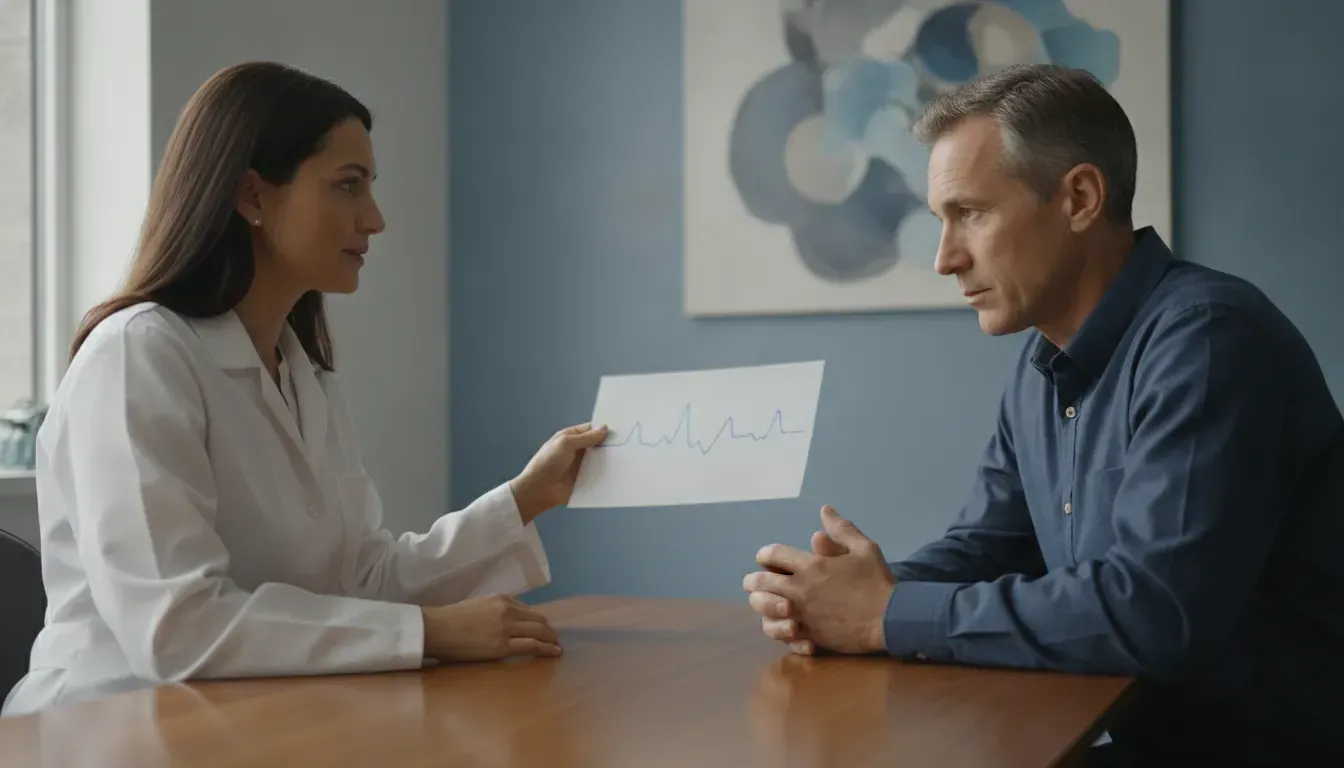
People comparing an oral appliance vs Inspire for sleep apnea are usually looking at two different ways to keep the airway open. They are not interchangeable. A custom oral appliance is a removable device worn in the mouth. Inspire is an implanted system that stimulates a nerve under the tongue. If you have been told you do not tolerate CPAP, the useful next step is a care-team conversation about which evaluation fits your diagnosis, not a search for a single winner.
Call (412) 367-0367 to talk with Sleep Apnea Dental Center about whether a custom oral appliance is a fit. You can also request an appointment.
How an oral appliance vs Inspire for sleep apnea really differs
Obstructive sleep apnea happens when the airway narrows or closes during sleep. Treatment is chosen for the person. The National Heart, Lung, and Blood Institute describes several ways to keep the airway open. Those include positive airway pressure, an oral device, and, in selected cases, surgery. None of those options promises that breathing events will stop for everyone.
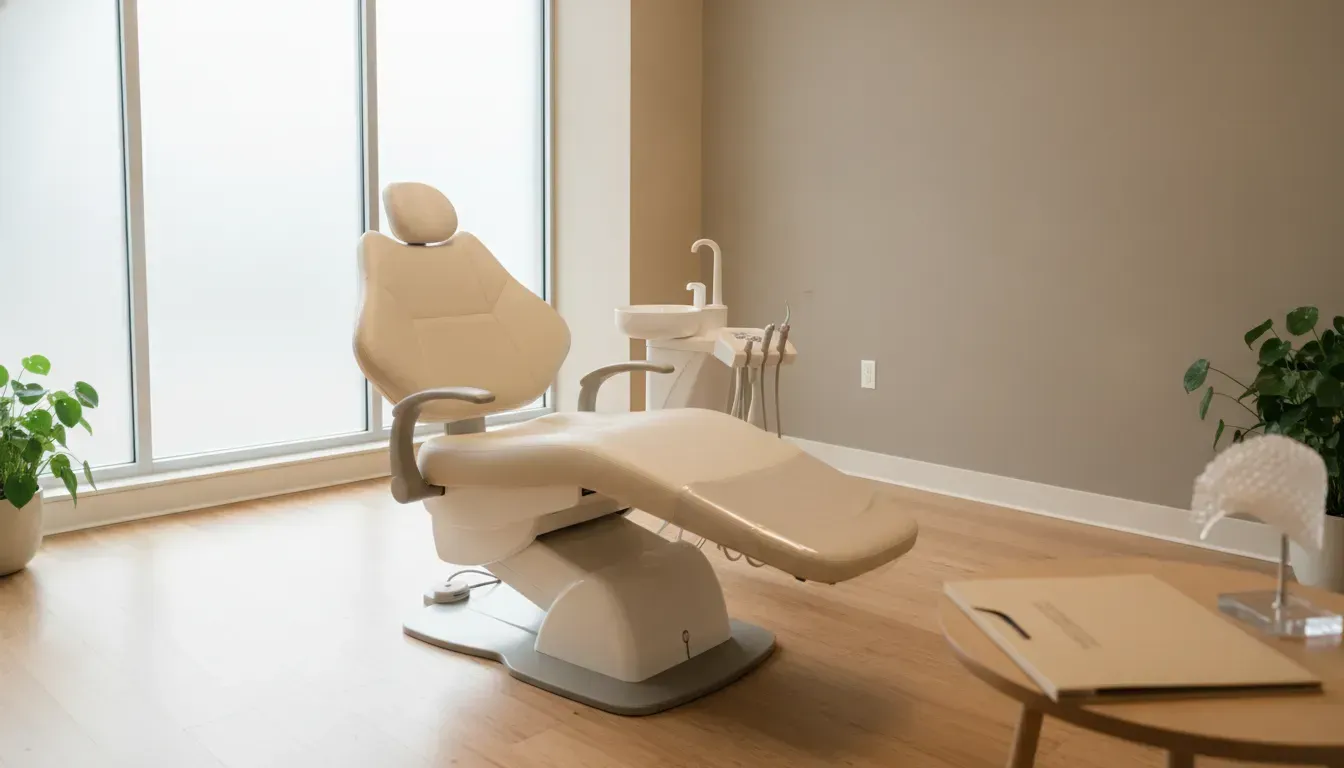
A custom oral appliance is worn only while you sleep. At Sleep Apnea Dental Center, appliances reposition the lower jaw and tongue so the muscles that support the airway can hold it more open. A dentist trained in dental sleep medicine selects the device for that person. Clenching, grinding, jaw discomfort, and headaches can change which appliance is considered. The device comes out in the morning. It does not require an incision, an implanted battery, or a remote.
Inspire Upper Airway Stimulation is different. The FDA's overview of the Inspire system describes an implantable pulse generator, a stimulation lead, and a sensing lead, plus a patient remote. The generator follows the breathing pattern. It sends small electrical impulses to help keep the airway open. The person turns therapy on before sleep and off when awake. The NHLBI lists this kind of nerve stimulation among surgical options. A device is implanted under the skin of the chest and connects to the nerve that moves the tongue.
That difference in delivery is the heart of an oral appliance vs Inspire for sleep apnea. One is a removable dental device managed with a dental sleep medicine provider. The other is an implanted medical device placed and programmed by a surgical and sleep-medicine team. Sleep Apnea Dental Center provides custom oral appliances. It does not implant Inspire, run sleep studies, or decide who qualifies for an implant.
What to compare before you decide
People comparing these options usually want a plain account of daily life, not a score. Use the questions below with your sleep physician. The answers depend on your sleep study, your airway, and your medical history.
| Question to ask | Custom oral appliance | Inspire upper airway stimulation |
|---|---|---|
| How is it delivered? | A removable device worn in the mouth during sleep. No surgery. | An implanted generator and leads, turned on with a remote at night. |
| Who usually discusses it? | A sleep physician and a dentist trained in dental sleep medicine, after a diagnosis. | A sleep physician and the implanting surgeon, after a medical evaluation. |
| What does the FDA overview describe for adults 22 and older? | Not an implanted device. Suitability is a clinical decision, not an FDA implant label. | Moderate to severe OSA, with an apnea-hypopnea index from 15 to 100, plus other criteria. |
| What if CPAP has been difficult? | The practice offers appliances for people who have trouble tolerating CPAP. A physician diagnosis still comes first. | The FDA overview requires inability to use or tolerate PAP or BiPAP by defined clinical criteria. |
| Can it be stopped? | You can remove the appliance. Follow-up still matters for the teeth, jaw, and sleep symptoms. | Therapy can be turned off with the remote. Removing the implanted parts is a separate surgical discussion. |
Do not treat that table as a ranking. A lower-commitment option is not automatically the better treatment, and an implant is not automatically the stronger one. Your sleep physician interprets the sleep study. A dental sleep provider can then say whether the teeth and jaw can support an appliance.
Who is usually evaluated for each option
Sleep Apnea Dental Center does not diagnose obstructive sleep apnea. A qualified physician makes that diagnosis, usually after a sleep study. People with snoring and no apnea are a separate path: the practice sees non-apneic snoring only after a sleep study has ruled apnea out. An implant discussion and a snoring-only appliance are not the same visit.
Oral appliance evaluation
The NHLBI notes that a provider may prescribe an oral device when someone does not want CPAP or cannot tolerate it, and that a dentist or orthodontist custom-fits it. In this practice, that conversation starts from a physician's diagnosis. The dentist looks at the bite, the teeth, jaw comfort, grinding, and whether the person can wear a device through the night. An appliance is one option the practice describes for CPAP difficulty. It is not a statement that CPAP is wrong for everyone, and it is not offered as a cure.
Some people are poor matches for an oral appliance even when they want to avoid a mask. Significant dental disease, too few teeth to hold a device, or jaw pain that a clinician judges unsuitable can change the plan. Those limits are individual. They are not a list you can check off from a blog post.
Inspire evaluation
The FDA overview of the 2023 indication expansion is specific. For adults 22 and older, it describes Inspire for moderate to severe obstructive sleep apnea, with an apnea-hypopnea index from 15 through 100. Those adults also need to be unable to use or tolerate PAP or BiPAP by the stated clinical criteria. They must not have complete concentric collapse of the soft palate. The same overview raises the recommended BMI upper limit in that approval to 40. Separate criteria apply to some younger patients, including adolescents with Down syndrome. Those details belong to the labeling and to the implanting team, not to a dental office checklist.
A drug-induced sleep endoscopy is part of how implant teams look at the airway. Sleep Apnea Dental Center does not perform that exam. If your sleep physician believes an implant evaluation is appropriate, that referral stays with the medical and surgical team. If they believe a custom oral appliance should be considered instead, or first, they can refer you for a dental sleep evaluation.
What the care team looks at
Bring the same records to either conversation. The sleep study report, including the apnea-hypopnea index and whether events are obstructive, tells the physician which labeled options are even on the table. Mild, moderate, and severe disease are not treated with one script. The live insurance page at the practice says oral appliances fall under medical coverage when sleep apnea is diagnosed, including mild, moderate, and severe. That is the practice's stated workflow, including approval checked before the visit. It is not a promise that every plan pays, and it says nothing about implant coverage.
Also bring what happened with CPAP. Mask leaks, dryness, travel, and trouble wearing the device are reasons to talk, not proof that the machine failed or that the next option will. The practice describes the oral appliance as a simpler device to manage for people who travel, because it does not involve packing a machine. That is a practical difference. It is not evidence about how either therapy will score on a follow-up sleep study.
Dental findings matter for an appliance and are less central to an implant discussion. Crowns, missing teeth, jaw clicking, and grinding change how a device is chosen. The practice can consider those issues when selecting an appliance. It does not treat jaw pain, headaches, or grinding as standalone reasons for sleep apnea care.
Ask who will follow you. An oral appliance needs dental follow-up. When the sleep physician requests it, another sleep study checks whether breathing events improved while the device was worn. An implant needs surgical follow-up and programming. Neither path ends on the day you receive the device.
A practical order for the conversation looks like this:
- Confirm the physician's diagnosis and bring the sleep study.
- Tell the sleep physician what happened with CPAP, including travel or trouble wearing it.
- Ask whether a custom oral appliance, an implant evaluation, or both should be discussed.
- If an appliance is on the list, book a dental sleep visit to check the teeth and jaw.
- Plan the follow-up sleep test your physician wants after treatment starts.
How Sleep Apnea Dental Center fits
Sleep Apnea Dental Center is a dental sleep medicine practice in the Pittsburgh area. The offices are in Moon Township, Cranberry Township, and Monroeville. Clinical days differ by office, so a visit is scheduled for the day that office sees patients. Phone lines are answered weekdays from 8:30 a.m. to 4 p.m.
Nicole Chenet, DDS, D-ABDSM, owner and CEO, is a Diplomate of the American Board of Dental Sleep Medicine, as are Paige K. Murrer, DMD, and Kimberly Klein, DDS. Haley Brose, DMD, is an AADSM Qualified Dentist pursuing Diplomate status. Not every clinician in the practice holds Diplomate status. The practice's role in this comparison is the oral-appliance side: evaluation of the teeth and jaw, selection of a custom device, and coordination with the referring physician.
When an appliance is part of the plan and the manufacturer is relevant, some instruction resources in the practice refer to devices from ProSomnus Sleep Technologies, along with other named appliances used as patient-care references. That is not a catalog, a stock list, or a claim that one brand fits every mouth. The right device, if an appliance is appropriate at all, is chosen at the visit.
Veterans who already have a diagnosis and have had trouble with CPAP can ask their VA primary-care or sleep physician about Community Care. The practice participates in VA Community Care. Veteran status by itself does not create an authorization, and a self-scheduled visit is not the same as a covered referral.
The appointment form is a request. Staff contact you within one to two business days to set a time. That window is not a treatment date and not a fabrication timeline. Referring physicians, advanced practice providers, and dentists can also send patients; the referral fax is (412) 367-0366.
What this comparison does not decide
Online stories about implants, including alarming anecdotes, are not a clinical trial and not a reason to refuse an evaluation. They are also not a reason to skip a removable option you have not been examined for. Published improvement figures for one therapy do not transfer to the other, and they do not predict your result.
A few boundaries are worth stating plainly:
- Sleep Apnea Dental Center does not place Inspire or any other hypoglossal nerve stimulator.
- The practice does not tell you to stop CPAP. Changes in prescribed therapy belong with the sleep physician.
- An oral appliance is not a boil-and-bite snore guard, and a snore guard is not a treatment plan for diagnosed apnea.
- No page on this site can say which option will lower your apnea-hypopnea index.
If you want the CPAP side of the decision, the practice's article on how oral appliances compare with CPAP covers that pairing. This article stays with the implant comparison so the two pages answer different questions.
If a physician has already diagnosed obstructive sleep apnea and you want to ask about a custom oral appliance, request an appointment or call (412) 367-0367.
Frequently asked questions
Is an oral appliance or Inspire better for sleep apnea?
Neither is better for every person. A custom oral appliance is a removable dental device. Inspire is an implanted nerve stimulator. The FDA overview describes it for selected adults with moderate to severe obstructive sleep apnea who meet medical criteria, including trouble using PAP. Your sleep physician matches the option to your study. A dental sleep provider then looks at whether an appliance fits the teeth and jaw.
Who is not a good candidate for an oral appliance?
Someone without a physician's diagnosis is not ready for apnea treatment at this practice. People whose teeth or jaw cannot support a device may also be a poor match, which is decided at an exam, not from a symptom list. Non-apneic snoring is considered only after a sleep study rules apnea out.
What is a downside of Inspire?
Inspire requires surgery to place a generator and leads, and the FDA overview limits the labeled adult use to people who meet apnea-severity, PAP-tolerance, airway, and other criteria. Turning the remote off stops therapy for the night. It does not undo the implant. Risks and recovery belong in a conversation with the implanting physician, not in a dental blog's estimate.
Can I try an oral appliance before talking about an implant?
Often that is a reasonable question for your sleep physician, especially if CPAP has been hard to wear and you have not been evaluated for a custom appliance. It is not a rule that everyone must fail an appliance first. The physician decides the order of options. Sleep Apnea Dental Center can evaluate the dental side when a physician refers you or when you request a visit after a diagnosis.
Does Sleep Apnea Dental Center offer Inspire?
No. The practice provides custom oral appliances for obstructive sleep apnea and, after apnea is ruled out, for non-apneic snoring. Implant evaluation stays with your sleep physician and a qualified surgical team. You can still read how the practice's oral appliances work and meet the dentists before you request a visit.
Call (412) 367-0367 to request an oral-appliance consultation for diagnosed sleep apnea. You can also request an appointment online.