
Mallampati Score and Sleep Apnea: What the Exam Can and Cannot Tell You
Learn what the Mallampati score observes, why it cannot diagnose sleep apnea, and how to discuss symptoms, testing, and next steps with a clinician.

The Mallampati score and sleep apnea are connected only in a limited way: the score describes how much of the back of the mouth a clinician can see during a brief examination. It does not diagnose obstructive sleep apnea (OSA), rule it out, or determine treatment. If the score has prompted questions, treat it as one observation to discussânot as a personal test resultâand ask a qualified medical professional whether your symptoms call for further evaluation.
Request brochures about oral-appliance care
What does the Mallampati score describe?
A clinician assigns a Mallampati class by looking into the mouth while a person opens it. The classification describes which structures at the back of the mouth are visible in that particular view. It is a physical-exam observation, made while a person is awake, rather than a measurement of breathing during sleep.
The Mallampati scale is commonly described in four classes. The classes reflect a clinician's view of oral and throat structures, from more visible to less visible. The score is not a measurement of airway collapse at night, oxygen levels during sleep, or the number of breathing disruptions. It should not be read like a home sleep-test result or a diagnosis.
The view can also depend on how a person positions the tongue, how widely they open the mouth, and the conditions of the examination. The score is therefore a snapshot, not a complete portrait of someone's airway or sleep. A clinician may record it alongside other examination findings, but the observation has to be interpreted in the context of the whole person.
Can a Mallampati score diagnose sleep apnea?
No. A Mallampati score by itself cannot establish whether someone has OSA. A higher class does not prove that a person has sleep apnea, and a lower class does not rule it out. It cannot tell a person whether OSA is mild or severe, whether treatment is needed, or which treatment would be appropriate.
OSA concerns repeated disruptions to breathing during sleep. A brief view of the mouth does not show whether those disruptions happen. A qualified medical professional considers a person's symptoms and health history and decides whether testing is appropriate. When a sleep study is performed, its results need to be interpreted as part of a clinical evaluation. Learn more about the condition and its evaluation in Sleep Apnea Education.
This distinction matters in both directions. A person should not be reassured that sleep apnea is impossible because the mouth looked open during an exam. Nor should someone conclude that they have OSA based only on a limited view or a class number. If you have concerns, seek an evaluation based on your health and symptoms rather than trying to infer a diagnosis from one physical finding.
What can and cannot be inferred from the score?
Different observations and tests answer different questions. The table below is a way to keep the roles separate; it is not a personal diagnostic tool.
| Information | What it may contribute | What it cannot establish by itself |
|---|---|---|
| Mallampati score | A description of visible structures during an oral examination | Whether OSA is present, how severe it is, or which treatment is right |
| Symptoms and health history | Context a qualified professional can use to decide whether evaluation is appropriate | A confirmed diagnosis without clinical assessment and appropriate testing |
| Sleep study results | Information about breathing and sleep that a qualified medical professional can interpret | A complete treatment decision without considering the person's clinical needs |
| Dental sleep medicine evaluation | Assessment of whether custom oral-appliance care may be an option after OSA diagnosis | A substitute for physician diagnosis or a guarantee of treatment outcome |
The takeaway is not that the mouth examination is useless. It may be one piece of context. The important limit is that it cannot answer the larger question alone: whether breathing is disrupted during sleep and what should be done about it.
How might this look in real conversations?
Consider three common ways a score might enter a conversation. These examples do not predict a diagnosis; they show why the same observation needs to be interpreted alongside the person's circumstances.
- A limited view, but no sleep evaluation yet: A clinician records a Mallampati class during an exam. The person should not conclude from that notation alone that OSA is present. They can ask what the observation means and, separately, describe any sleep concerns to a qualified medical professional.
- A more open view, with ongoing concerns: Someone has been told their oral exam looked open, but they or a bed partner have noticed nighttime breathing concerns or daytime sleepiness. The exam view does not cancel out those concerns. The next step is to discuss the symptoms and whether evaluation is appropriate.
- A diagnosed patient considering appliance care: A person already has a physician's OSA diagnosis and remembers a Mallampati class from a dental exam. The class does not decide whether an oral appliance will suit them. They can share the diagnosis and relevant records and ask for an individual appliance evaluation.
In each example, the score remains the same kind of information: a brief description of what was visible during an exam. What changes is the broader context and the question the person needs answered. Keeping those separate avoids turning one finding into an unsupported conclusion.
Why do symptoms and history matter?
People may seek advice because they snore, feel sleepy during the day, wake with a sensation of gasping, or have noticed changes in their sleep. Those observations can be worth sharing with a health professional, but a symptom does not automatically prove OSA. Likewise, the absence of one commonly discussed symptom does not allow a person to rule it out using a mouth examination.
A practical way to prepare for a medical appointment is to write down what you have noticed instead of trying to assign a diagnosis to it. For example, note when the concern began, how often it happens, whether it is changing, and whether it affects daytime alertness or daily routines. If someone who shares your room has noticed nighttime breathing changes, you can record what they observed in their own words. This is useful context, not a replacement for testing.
It can also help to bring a list of medicines, relevant health conditions, and any prior sleep-study reports if available. If a clinician has already explained a Mallampati class to you, write down the class and ask what it contributes to their assessment. Avoid changing or stopping prescribed care because of this score or something you read about it online.
What should you ask after the exam?
Clear questions can turn an unfamiliar score into a useful conversation. You do not need to interpret the classification yourself. Ask the clinician who performed the exam to explain the finding in plain language and how it relatesâor does not relateâto the reason you came in.
- What does my Mallampati observation describe, and what are its limits?
- How does it fit with my symptoms and health history?
- Do my concerns warrant a sleep evaluation or sleep study?
- If testing is recommended, who will arrange it and explain the results?
- What should I do while I am waiting for an evaluation?
- If OSA is diagnosed, which professionals should I speak with about treatment options?
If you have already had a sleep study, ask who reviewed the findings and whether you have a confirmed diagnosis. Keep a copy of the report if you are asked to consult another clinician. A score recorded at a dental visit should not be treated as a replacement for that medical handoff.
Who can evaluate possible sleep apnea?
A qualified medical professional can consider your history and symptoms and decide whether sleep testing or another step is appropriate. The National Heart, Lung, and Blood Institute (NHLBI), a U.S. government health agency, is one source of public health information; visit its official website for general information. That resource does not assess your individual situation. A personal concern still calls for a conversation with a qualified professional who can advise you.
Sleep Apnea Dental Center does not diagnose OSA and does not conduct sleep studies. Formal OSA referrals to the practice require a qualified physician's diagnosis first. This boundary is important: an oral examination in a dental sleep medicine setting is not a shortcut around medical diagnosis, and a Mallampati class is not the required diagnosis.
If snoring is the concern, do not assume it is either sleep apnea or harmless based on the score. The practice offers care for non-apneic snoring only after a sleep study rules out apnea. That is different from the OSA pathway, which requires a physician's diagnosis. See the practice's information about when to get checked for snoring, and discuss the appropriate evaluation with a qualified medical professional.
Where can dental sleep medicine fit after an OSA diagnosis?
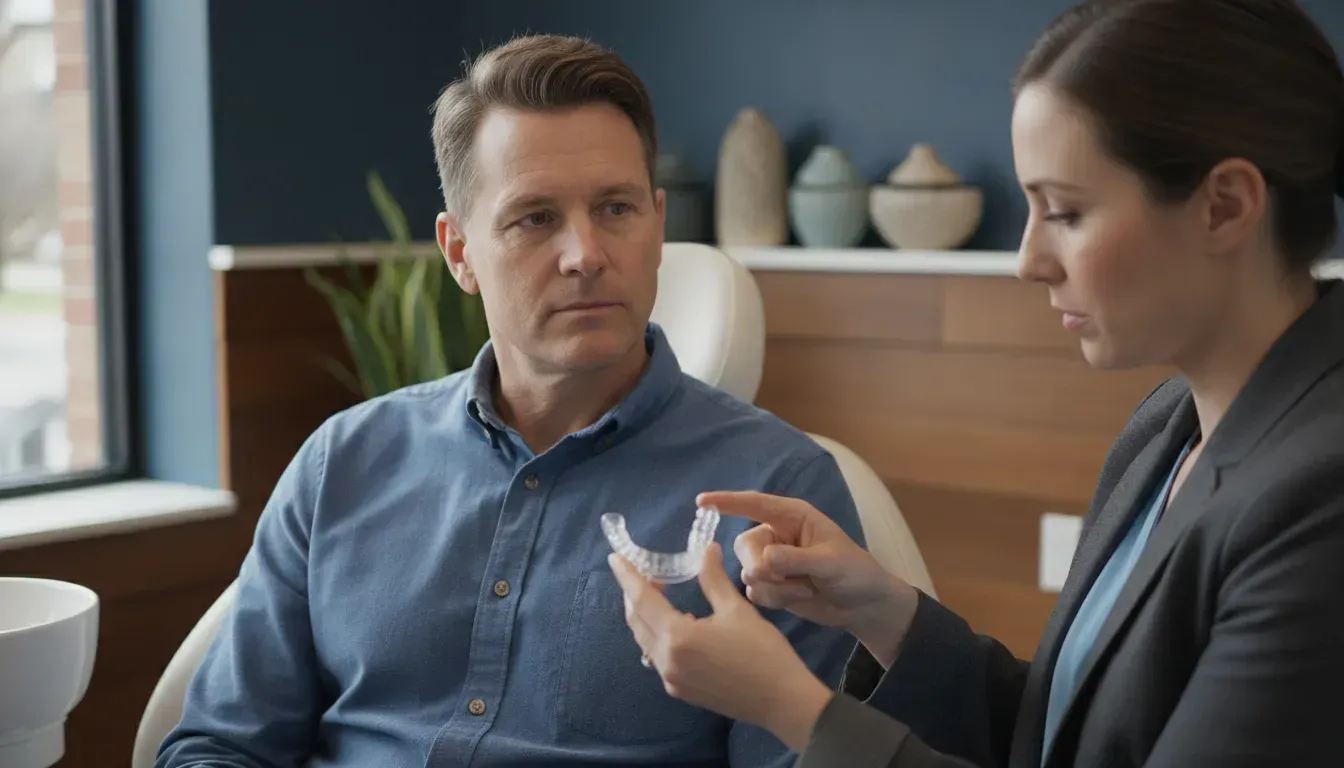
After a qualified physician diagnoses OSA, a dental sleep medicine practice may assess whether a custom oral appliance is appropriate for that individual. Sleep Apnea Dental Center evaluates and delivers custom oral appliances. The practice describes them as an option for some people, including people who have difficulty tolerating CPAP. That does not mean an appliance is right for everyone, guaranteed to work, or a reason to stop prescribed CPAP without guidance from the care team.
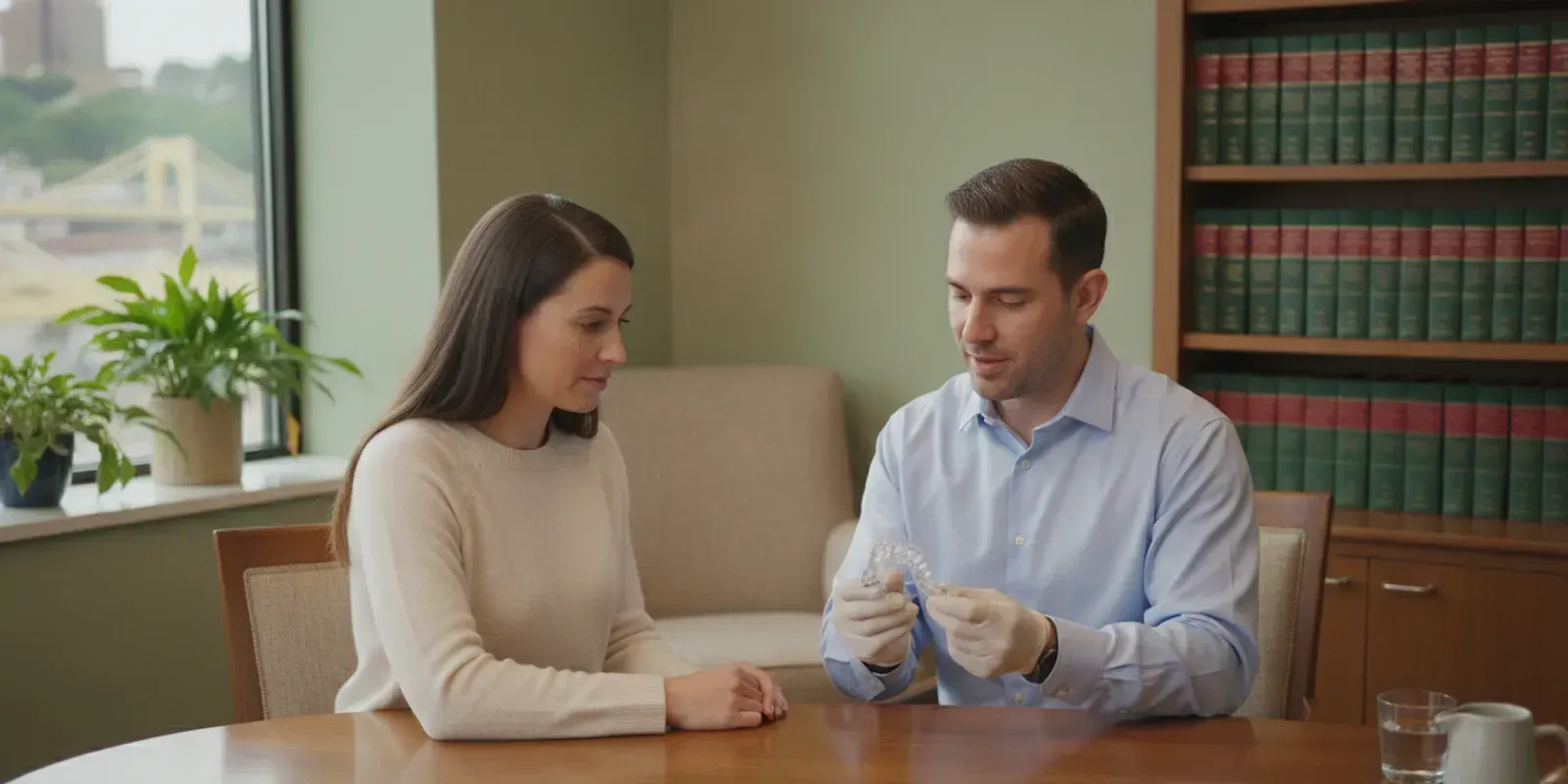
An appliance is part of a clinical care pathway, not an over-the-counter mouthguard chosen from a score. Suitability depends on an individual evaluation and the person's circumstances. If the physician has diagnosed OSA and you want to learn what oral-appliance care involves, review the practice's page on custom oral appliances for sleep apnea. Its comparison of oral appliances and CPAP can help you prepare questions for your care team, but cannot determine which choice fits you.
The roles remain distinct: the physician establishes the OSA diagnosis, and the dental sleep medicine clinician evaluates appliance suitability and provides appliance care when appropriate. Information about a Mallampati class can be part of a conversation, but it does not replace either step. If the diagnosis is not yet established, begin with a qualified medical professional rather than trying to arrange OSA treatment from the score alone.
How can you make the next conversation more useful?
A short, organized note can help you explain why you are concerned. Consider keeping a simple record for a few days or weeks, if that is practical. Include the date and what you noticed, rather than drawing conclusions about what caused it. For instance, write âwoke suddenly and felt short of breathâ rather than âhad an apnea,â unless a qualified professional has confirmed that description. This keeps the record factual and gives the clinician something specific to discuss.
Bring the note to the appointment and tell the clinician what prompted the concern: a symptom, a comment during an exam, or a previous test. If the Mallampati score was recorded, ask whether it was intended simply as an exam description or whether it changes the clinician's recommendation for another evaluation. The appropriate answer depends on your case, and this article cannot supply it.
After the conversation, make sure you understand the plan. If the clinician recommends a sleep study, ask how you will receive and review the results. If testing is not recommended now, ask what changes or symptoms should prompt you to check back. If you receive a diagnosis, ask which treatment options to review, who will coordinate follow-up, and whether another clinician should be involved.
These steps are useful whether the oral exam showed a more open or more limited view. They keep a single finding in proportion and help ensure that decisions are based on appropriate clinical information rather than a number taken out of context.
Frequently asked questions
Does a high Mallampati class mean I have sleep apnea?
No. It describes what a clinician could see during an oral examination. It cannot confirm OSA, determine its severity, or predict your individual outcome. Discuss your symptoms and questions with a qualified medical professional.
Can a low Mallampati class rule out sleep apnea?
No. A more open view during an awake examination does not show what happens to breathing during sleep. If you have concerns, seek medical advice rather than using the class to rule out a condition.
Does the score tell me whether I need CPAP or an oral appliance?
No. It is not a treatment-selection test. Treatment discussions follow an appropriate diagnosis and individual clinical evaluation. Do not start, stop, or replace prescribed treatment based on this observation.
Can Sleep Apnea Dental Center diagnose OSA from the score?
No. The practice does not diagnose OSA or perform sleep studies. Formal OSA referrals require a qualified physician's diagnosis first. After diagnosis, the practice can evaluate whether custom oral-appliance care may be suitable.
What if I snore but have not been diagnosed?
Snoring alone and a Mallampati class cannot establish whether apnea is present. Discuss an appropriate evaluation with a qualified medical professional. The practice offers non-apneic snoring care only after a sleep study rules out apnea.
Call (412) 367-0367 to ask about oral-appliance care after diagnosis
The Mallampati score is one limited examination observation, not a diagnosis, prediction, or substitute for sleep evaluation. If you have concerns, ask a qualified medical professional what steps fit your situation, and discuss dental sleep medicine after OSA has been appropriately diagnosed.