
CPAP Side Effects: What to Tell Your Clinician
CPAP side effects like dryness, a stuffy nose, or mask irritation are common. Learn what to tell your clinician before you stop therapy.
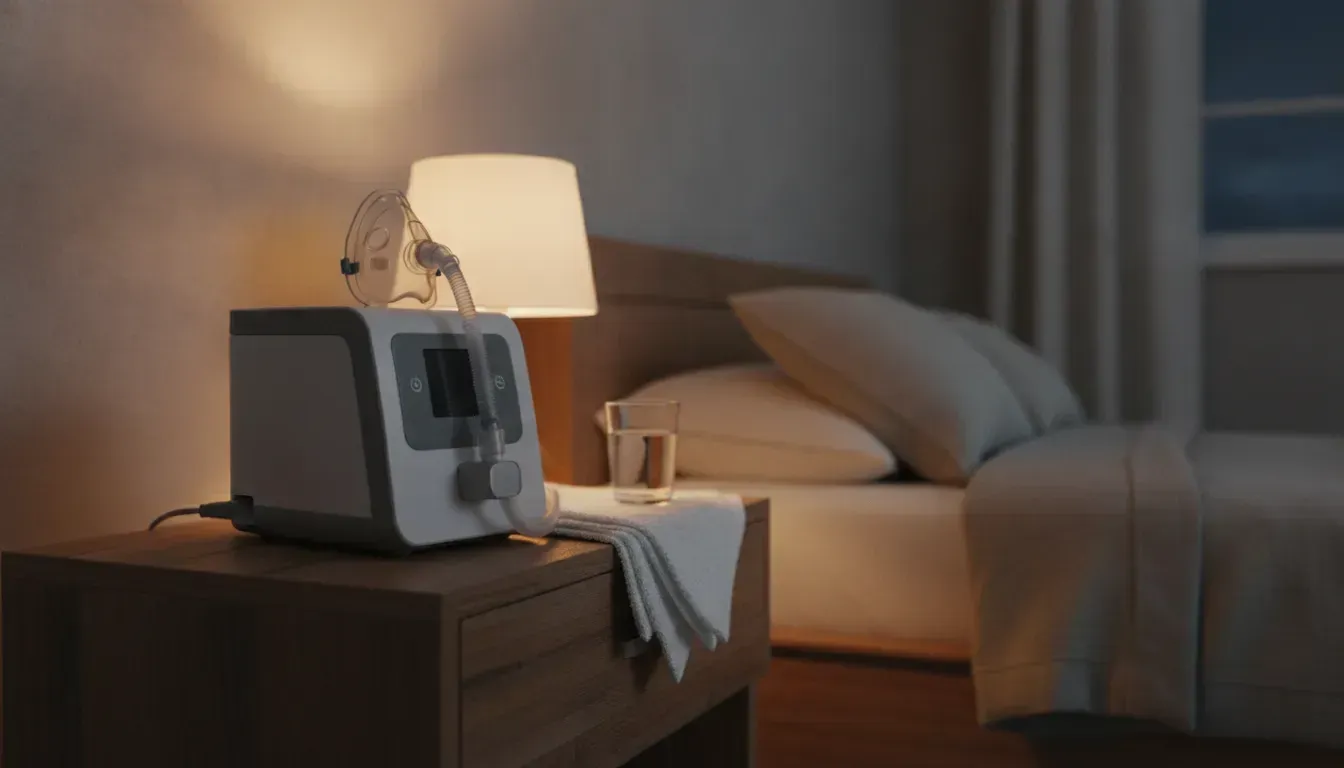
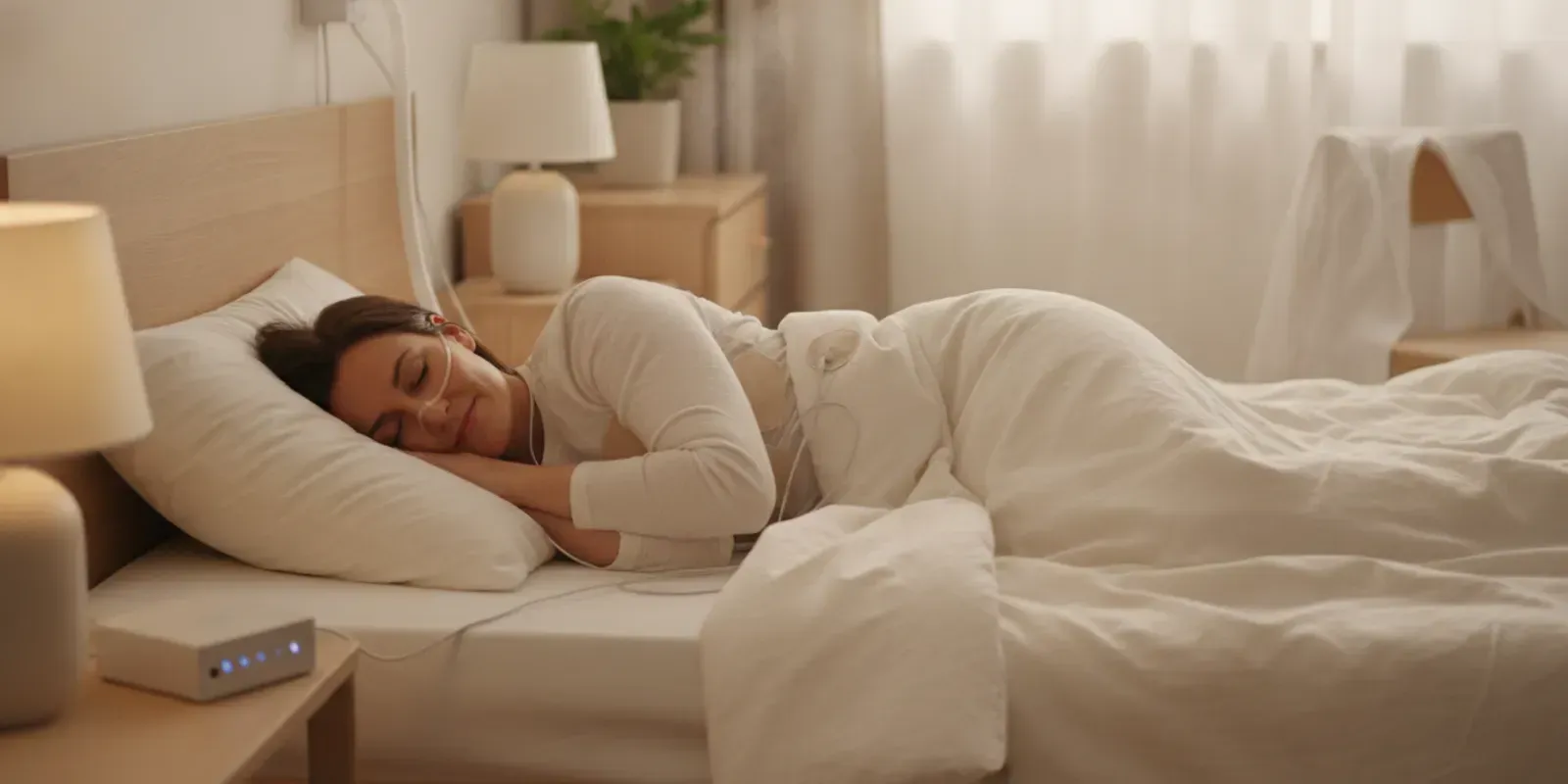
A stuffy nose, a dry mouth, or a red mark from the mask can make a prescribed machine hard to wear. Those problems are among the CPAP side effects people report after they start therapy. They are a reason to call the clinician who prescribed the machine, not a reason to stop on your own. Sleep Apnea Dental Center does not diagnose sleep apnea, does not run sleep studies, and does not change CPAP settings. If a physician has already diagnosed obstructive sleep apnea and CPAP remains difficult, the practice can discuss whether a custom oral appliance is an option for you.
Call (412) 367-0367 to request an appointment. Staff reply within one to two business days to set up a visit. That window is not a treatment timeline.
This guide covers common problems named by the National Heart, Lung, and Blood Institute, what to write down before you call, and when a dental visit fits. It does not tell you to abandon a prescribed treatment.
What CPAP Side Effects Can Feel Like
Continuous positive airway pressure uses mild air pressure to hold the airway open during sleep. The National Heart, Lung, and Blood Institute page CPAP says side effects may include congestion, a runny nose, dry mouth, or nosebleeds. Some masks can irritate the skin. Stomach discomfort or bloating is different. NHLBI says to stop the machine and call a healthcare provider right away if that happens.
Those problems do not mean the therapy has failed. They often mean the mask, the moisture setting, or the pressure needs a check. Your prescribing clinician is the person who can make that change. Do not lower the pressure, skip nights, or switch machines on your own.
Dry mouth and a dry nose
Air moving through the mouth or nose can dry the lining. People notice a dry mouth on waking, a sore throat, or a need for water in the night. A humidifier chamber, a different mask, or a chin support are common things a provider may try. NHLBI notes that a provider may help you use the humidifier or adjust the pressure. Cleaning the mask and tube every day also matters, because a dirty setup can make irritation worse.
Congestion, a runny nose, and nosebleeds
A stuffy or runny nose is one of the problems NHLBI lists. Dry air can also leave the nose more likely to bleed. Tell your clinician how often it happens and whether it started after a pressure change or a new mask. They may change humidity, suggest a nasal routine, or look for another cause. Do not assume every nosebleed is from the machine, and do not ignore one that is heavy or keeps returning.
Mask marks and skin irritation
Straps that sit too tight, a cushion that leaks, or a mask style that does not match your face can leave red marks, sores, or a rash. NHLBI says some masks cause irritation and that a provider can help you find a more comfortable fit. Bring the mask you actually wear, not a spare, so the fit can be checked. A leak that wakes you, a whistle, or air blowing into your eyes belongs in the same note.
Bloating or stomach discomfort
Swallowing air can leave the belly full or uncomfortable. NHLBI treats stomach discomfort or bloating as a prompt call, not a wait-and-see problem. Stop using the machine and call your healthcare provider right away if that is what you feel. Do not try to solve it by skipping therapy for a week.
Do Not Stop Prescribed Therapy on Your Own
Getting used to the machine takes time. NHLBI says to use it every time you sleep, including naps and travel, and to work with your provider on the mask and the settings. Stopping because a night felt bad can bring the breathing pauses back. Daytime sleepiness, loud snoring, and gasping can return with them.
Untreated obstructive sleep apnea is linked with other health problems. The practice's sleep apnea education page lists high blood pressure, heart disease, stroke, and diabetes among conditions associated with snoring and sleep apnea. Naming that link is not a promise that CPAP, an oral appliance, or any visit here will lower blood pressure or treat those conditions. It is a reason to keep the prescribing clinician in the conversation.
If the machine feels impossible, say that plainly. Ask what can be adjusted this week. Ask what would count as a reason to review other treatments. A short trial of a new mask is not the same thing as quitting.
What to Tell Your Prescribing Clinician
A useful call is specific. Write the notes before you dial so the visit stays on the problem you are having. Your clinician needs the pattern, not a guess about which device you should switch to.
- Name the symptom. Dry mouth, congestion, a runny nose, nosebleeds, skin irritation, leaks, or stomach discomfort are different problems.
- Note when it started and how many nights a week it happens.
- Record how many hours you wear the machine on a typical night, and whether you take it off in your sleep.
- Describe the mask style and whether air leaks into your eyes or around the cushion.
- Say whether you use the humidifier, and whether the air feels too dry or too wet.
- List any stomach fullness, pain, or bloating, and say if it made you stop the machine.
- Bring the question you actually have, such as whether a setting, a mask, or another treatment should be reviewed.
If you feel stomach discomfort or bloating, do not wait for a routine visit. Call the prescribing clinician right away, as NHLBI advises. For redness, dryness, or a stuffy nose, still call soon, and keep using the machine unless that clinician tells you to pause.
CPAP Side Effects and What to Ask About
Use this as a conversation list, not as a diagnosis. Only the prescribing clinician can change the machine. Sleep Apnea Dental Center cannot interpret your download or decide that CPAP has failed.
| What you notice. | What to write down. | Who should hear it first. |
|---|---|---|
| Dry mouth or a dry nose. | Note how many nights, and whether you wake for water. | Call the clinician who set the machine to review humidity and mask style. |
| Congestion or a runny nose. | Note when it started and whether a new setting came first. | Call the same clinician before you skip nights. |
| Nosebleeds. | Note how often they happen and how heavy they are. | Call your clinician promptly. Seek urgent care if bleeding is severe. |
| Red marks, sores, or leaking air. | Note which mask, how tight the straps are, and where it rubs. | Call the clinician or the supplier who fitted the mask. |
| Stomach discomfort or bloating. | Note when it starts and whether you stopped the machine. | Stop the machine and call your healthcare provider right away. |
| You pull the mask off most nights. | Note hours worn and what wakes you. | Call your sleep clinician. Then ask whether other treatments should be reviewed. |
A data card or app report can help that conversation. NHLBI says a provider, and sometimes an insurer, may check the card to see whether you are using the device and whether the pressure is reducing breathing events. Bring the report if you have it. Do not try to read a treatment decision out of the numbers yourself.
When an Oral Appliance Enters the Conversation
Some people still struggle after mask changes, humidity changes, and a fair trial. The practice describes custom oral appliances as an option for people who have trouble tolerating CPAP. An appliance is chosen for the individual. It is not a cure, and it is not the right device for every diagnosis or every mouth.
A formal referral for oral appliance care starts with a physician's diagnosis of obstructive sleep apnea. The practice does not make that diagnosis and does not run the sleep study. If you do not yet have a diagnosis, the next step is a medical evaluation, not a dental device. The page on what a specialist sleep doctor does explains that physician role.
If you and your physician are weighing treatments, the comparison of how oral appliances treat sleep apnea compared with CPAP covers how the two options differ. This article stays on side effects and the report you should make. It does not repeat how an appliance is built or who is a candidate.
Referring physicians can also read how referrals work. A referral is accepted for appliance care after a physician has diagnosed obstructive sleep apnea. Snoring that is not apnea is a separate path, and only after a sleep study has ruled apnea out.
The oral appliances page describes devices that reposition the lower jaw and tongue to help keep the airway open. Doctors at the practice also discuss clenching, grinding, jaw discomfort, and headaches when they choose a device. Those concerns do not replace a sleep diagnosis. They are part of fitting a person who already has one, or of snoring care after apnea has been ruled out.
What This Practice Can and Cannot Change
Sleep Apnea Dental Center evaluates and delivers custom oral appliances for obstructive sleep apnea and snoring. Offices are in Moon Township, Cranberry Township, and Monroeville. Clinical days differ by office, and phones are answered weekdays from 8:30 a.m. to 4 p.m. The appointment form is a request. Staff contact you within one to two business days to set up a visit.
The practice cannot do several things people sometimes expect from a dental office:
- It does not diagnose obstructive sleep apnea.
- It does not perform sleep studies or score an apnea-hypopnea index.
- It does not change a CPAP pressure, replace a mask, or tell you to stop a prescribed machine.
- It does not promise that an appliance will work for every person or every severity.
- It does not publish fees, and it does not guarantee that a plan will pay. Staff check medical-insurance approval before a visit so you know the expected out-of-pocket cost. Approval is not a promise of payment.
If CPAP is still the treatment your physician wants you to use, stay with that plan while the side effects are being fixed. An appointment here is for people whose physician is considering an appliance, or for snoring care after a study has ruled apnea out.
A Practical Week of Notes
One week of plain notes is more useful than a vague memory of a bad night. Keep it short enough that you will actually fill it in.
- Each morning, write hours worn and whether you removed the mask.
- Circle the main problem: dryness, congestion, nosebleed, skin irritation, leak, or stomach discomfort.
- Note humidifier use and whether the air felt dry or wet.
- Save a photo of strap marks if the skin is breaking down.
- Add daytime sleepiness only as a fact, such as nodding off while reading. Do not treat that note as a diagnosis.
Take the page to the prescribing clinician first. If that clinician wants an oral appliance considered, bring the same notes, the sleep study report, and the diagnosis to the dental visit. You can also request an appointment and say that your physician is reviewing CPAP trouble. Staff will use that request to schedule. They will not change your machine.
Frequently Asked Questions
Are CPAP side effects a sign I should quit?
No. Dryness, congestion, a runny nose, nosebleeds, and mask irritation are problems to report. NHLBI says a provider can help you adjust. Stopping on your own can bring breathing pauses back. The exception on the NHLBI page is stomach discomfort or bloating: stop the machine and call your healthcare provider right away.
Can a dental office change my CPAP pressure?
No. Pressure, mask changes, and the decision to pause therapy belong to the clinician who prescribed the machine. Sleep Apnea Dental Center does not diagnose apnea and does not run sleep studies.
When can an oral appliance be discussed?
After a physician has diagnosed obstructive sleep apnea and you are having trouble tolerating CPAP. The appliance is fitted to the person. It is not a cure, and it is not automatic. Non-apneic snoring care is separate and requires a sleep study that has ruled apnea out.
Will fixing these side effects lower my blood pressure?
No one can promise that. Obstructive sleep apnea is linked with high blood pressure. Treatment does not promise a blood-pressure drop. Talk with your physician about blood pressure. Use this practice for the dental question only.
How do I reach the office?
Call (412) 367-0367 on weekdays from 8:30 a.m. to 4 p.m., or send the appointment request. Staff contact you within one to two business days to set up a visit. Referring offices may use fax (412) 367-0366.
Talk With Your Clinician, Then Call If an Appliance Is the Question
CPAP side effects deserve a specific report to the person who prescribed the machine. Keep using prescribed therapy unless that clinician tells you to stop, and call right away for stomach discomfort or bloating. If a physician has already diagnosed obstructive sleep apnea and you still cannot wear the device, call (412) 367-0367 to ask about a custom oral appliance visit. The request sets up a conversation. It does not replace your sleep physician, and it does not guarantee an outcome.