
Sleep Apnea and Nightmares: Is There a Link?
Sleep apnea and nightmares can overlap, but a bad dream is not a diagnosis. See what to track and when to ask a physician.
Sleep apnea and nightmares can show up in the same person, but a frightening dream does not prove that obstructive sleep apnea (OSA) caused it. Nightmares have many possible explanations. OSA is a medical breathing problem that a physician evaluates, often with a sleep study. Key takeaway: track the whole pattern, including snoring, gasping, and daytime sleepiness, and bring it to a clinician instead of treating the dream as a test.
Call (412) 367-0367 to request an appointment
What sleep apnea and nightmares do and do not mean
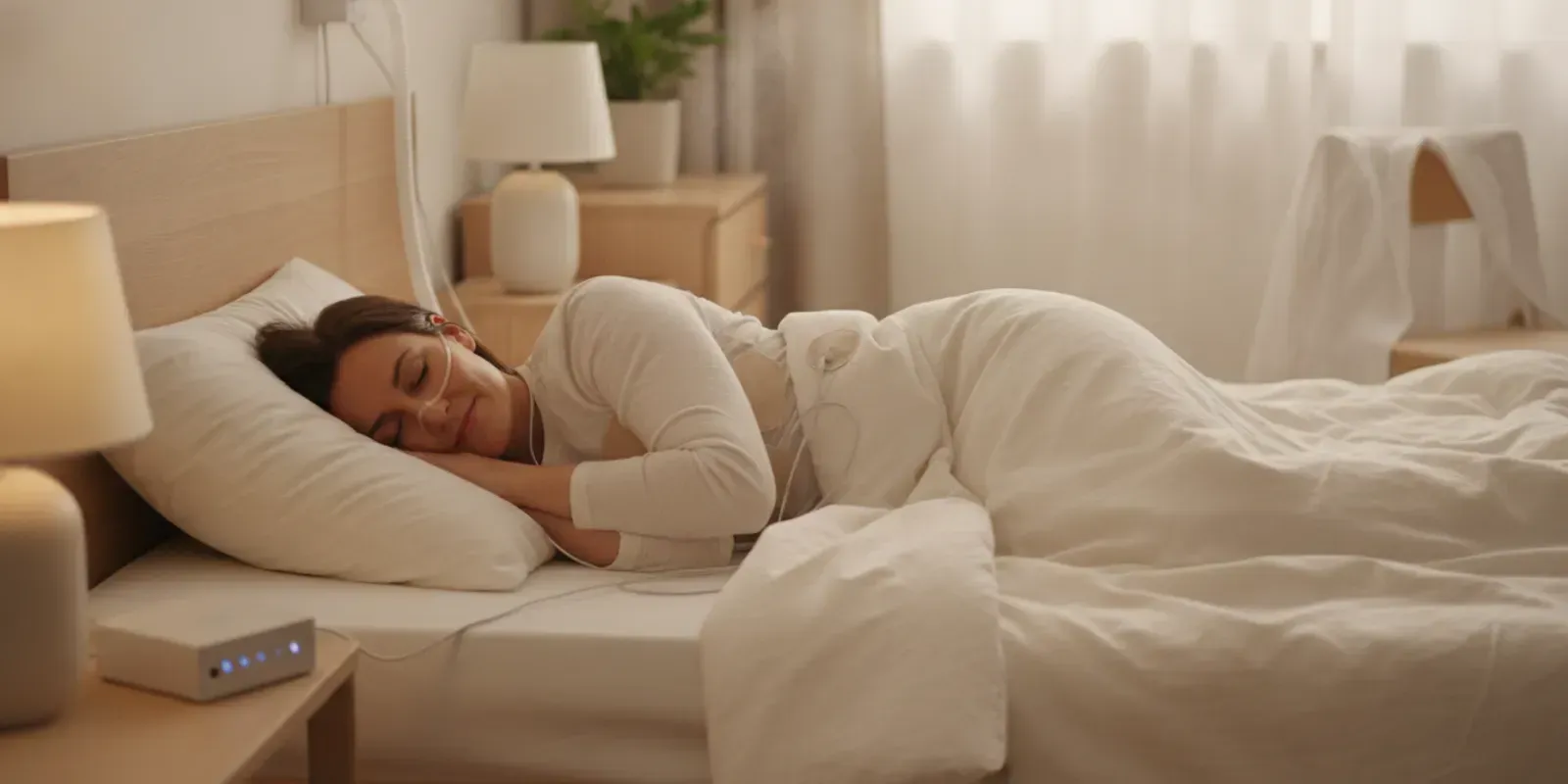
OSA happens when the airway repeatedly narrows or closes during sleep. The sleep apnea education page describes awakenings with coughing or a gasping sound as the person tries to breathe again. Someone may remember a scary dream around that awakening. Timing alone cannot show that the breathing problem created the dream.
A nightmare is a disturbing dream that often wakes the sleeper. Stress, trauma, illness, some medicines, an irregular schedule, and other sleep or mental health conditions can all play a part. Sometimes no clear trigger is found. More than one factor can be present at once.
That is why nightmares are not a screening test for OSA. Having them does not confirm a breathing disorder. Not having them does not rule one out. The useful question is whether breathing symptoms and daytime effects are also present.
What one sleep-lab study found about sleep apnea and nightmares
A 2010 paper in the Journal of Clinical Sleep Medicine looked at nightmare recall in a sleep-laboratory group. J.F. Pagel and C. Kwiatkowski reported on 393 people who had overnight polysomnography and answered questions about dreams. The paper is "The Nightmares of Sleep Apnea: Nightmare Frequency Declines with Increasing Apnea Hypopnea Index" (J Clin Sleep Med. 2010;6(1):69-73).
The authors defined frequent nightmare recall as more than once a week. As the apnea-hypopnea index (AHI) rose, the share of people with frequent recall fell. The AHI counts breathing pauses and shallow breaths per hour of sleep. A sleep physician interprets that count for the person who had the study. This article is not a scoring guide, and it does not sort anyone into a severity group.
The table below copies the four AHI groups from that paper. Frequent recall means nightmares more than once a week. The percentages describe the study group only.
| AHI group in the study. | People in the group. | Frequent nightmare recall. |
|---|---|---|
| Under 5. | 49. | 71.4 percent. |
| 5 to 14.9. | 88. | 43.2 percent. |
| 15 to 29.9. | 87. | 29.9 percent. |
| 30 or higher. | 170. | 20.6 percent. |
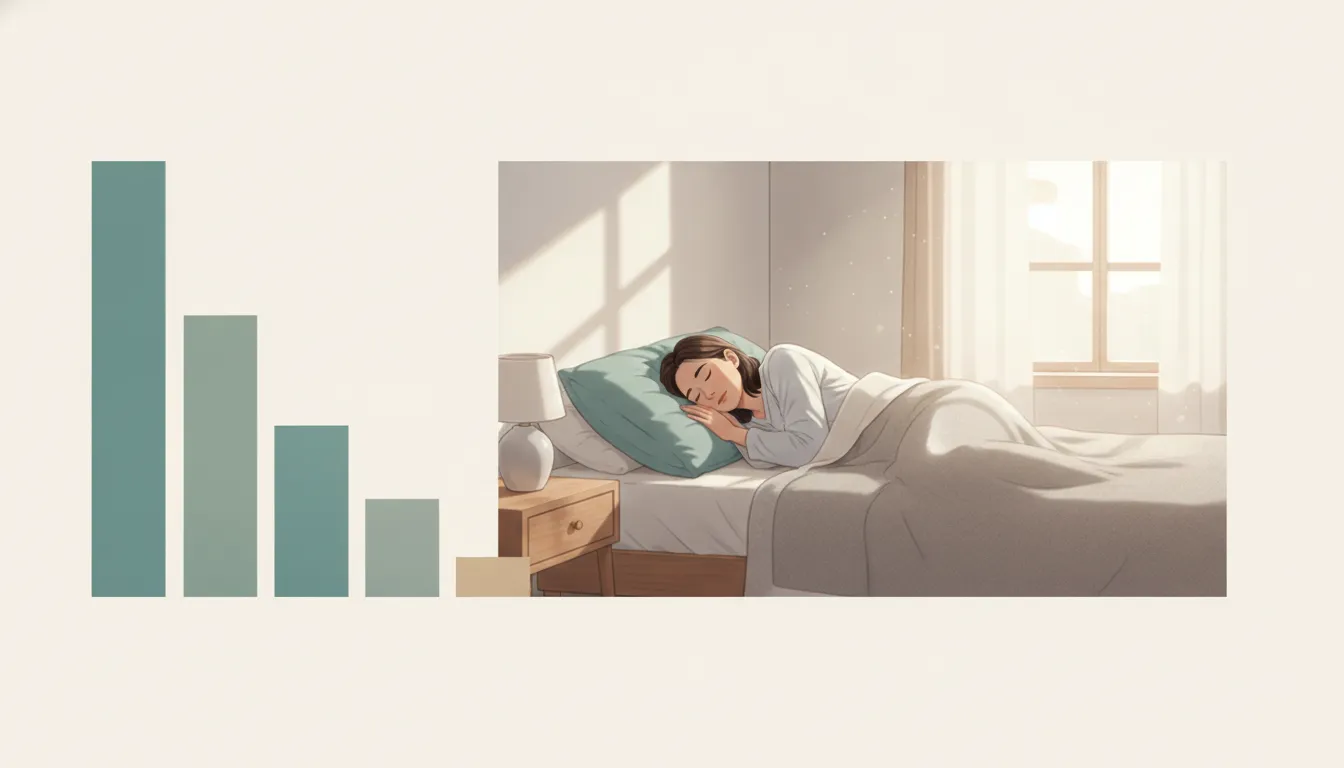
The share falls from about 7 in 10 people in the lowest group to about 1 in 5 in the highest group. That is the pattern the authors called a linear decline. It is not a promise about any one sleeper.
People who recalled nightmares less often had a higher average AHI (40.3) than people who recalled them often (24.6). The authors suggested that severe OSA can break up sleep and reduce REM sleep, the stage when many nightmares occur. They also noted that the result can surprise patients, because people with apnea often mention bad dreams.
Read those numbers as a group finding, not a personal prediction. The study did not prove that apnea causes nightmares, or that treating apnea will change dream recall. It is a reason not to assume that worse apnea means more nightmares. The people in the study were already being tested in a sleep lab, so the pattern may not match everyone at home.
The authors also compared dream recall, not only nightmares. Dream recall did not fall across the same AHI groups. That difference matters. A drop in frightening-dream recall is not the same thing as a drop in all dreaming, and neither result diagnoses the person reading this page.
A separate 2016 paper in the same journal found a different, compatible point. In a sleep-center group of 1,125 patients, about 20% wanted more information about nightmare causes and care. That paper, "Interest in Information about Nightmares in Patients with Sleep Disorders" (Schredl, Dehmlow, and Schmitt; J Clin Sleep Med. 2016;12(7):973-977), supports asking about nightmares. It does not show that apnea caused them.
What the research does not let anyone claim
Group results are easy to overread. A lower rate of frequent recall in severe OSA does not mean a quiet dream life rules apnea out. It also does not mean a bad dream proves mild apnea. The 2010 paper did not test treatment, so it cannot say that CPAP, an oral appliance, or any other care will raise or lower nightmare recall.
The authors themselves noted a surprise. Patients with sleep apnea often report nightmares, yet the measured rate of frequent recall was lower when OSA was more severe. Both things can be true. People notice frightening awakenings. A sleep-lab count can still show fewer weekly nightmares in the severe group.
Age in that sample ran from 13 to 82, with an average near 50, and about two thirds were men. Those details limit how far the pattern should be stretched. Children, pregnancy, trauma-related nightmares, and medicine effects need their own clinical look. This article does not cover those situations as separate topics.
Pagel has also said it is plausible that people who use CPAP successfully might recall nightmares more often, because treatment can increase REM sleep. That comment is a hypothesis from the research discussion, not a result this practice has measured, and not a reason to expect a specific dream change.
Symptoms worth writing down before a visit
A short log for one or two weeks gives a clinician more than a single scary night. Note the dream, then note anything about breathing and the next day. Morning headaches can have many causes. By themselves they do not diagnose apnea.
Use the same short list each day so a pattern is easier to see than one bad night:
- Bedtime, wake time, and whether you remember a nightmare.
- Gasping, choking, coughing, or feeling short of breath at night.
- Loud snoring or pauses a roommate noticed.
- How sleepy you felt, including while reading, watching television, or driving.
- Recent stress, illness, alcohol, schedule changes, or medicine changes.
These notes are not a diagnosis. Do not stop a prescribed medicine, or change CPAP or another treatment, because of a dream or an article. If sleepiness makes driving unsafe, do not drive. Ask a clinician what level of care fits.
How to tell a breathing clue from a dream clue
Write the two kinds of clues in separate lines so they do not get blended. A dream clue is what you remember: the fear, whether you woke, and whether you could fall back asleep. A breathing clue is what the body or a witness noticed: snoring, a pause, gasping, choking, or coughing.
A single frightening dream with none of those breathing clues is still worth mentioning if it keeps happening or causes distress. It is a weak reason, by itself, to assume OSA. A roommate who sees pauses in breathing is a stronger reason to ask a physician about a sleep evaluation, even if you do not remember a dream.
Daytime clues belong in the log too. The education page lists fatigue, sleepiness while reading or driving, mood changes, and waking with coughing, choking, or gasping. None of those items diagnoses apnea on a web page. Together they give a physician something concrete to review.
Common mixes that still need a clinician
People often arrive with more than one explanation in mind. Stress at work can coexist with loud snoring. A new medicine can change dreams in someone who already uses CPAP. An older adult can have daytime sleepiness from more than one cause. Listing every change is more useful than picking a favorite theory.
Alcohol, an irregular bedtime, and short sleep can also worsen snoring and make awakenings feel more dramatic. Mention those habits plainly. A clinician can decide whether they are enough to explain the night or whether a sleep study is still appropriate. This practice does not make that decision and does not run the study.
If nightmares follow a trauma history, or if they include urges to act out dreams, say so. Those patterns can point to care that is different from dental appliance therapy. Naming them protects you from a visit that answers the wrong question.
Why a physician, not a dream, makes the diagnosis
A qualified physician evaluates and diagnoses OSA. A sleep study may be part of that process. Sleep Apnea Dental Center does not diagnose OSA and does not perform sleep studies. If you suspect apnea, tell a physician about both the nighttime events and how you feel during the day.
The practice's education page lists high blood pressure among conditions associated with snoring and sleep apnea. That is an association already stated on the site. It is a reason to seek a physician evaluation. It is not a claim that any visit, device, or other care at this practice lowers blood pressure or treats hypertension.
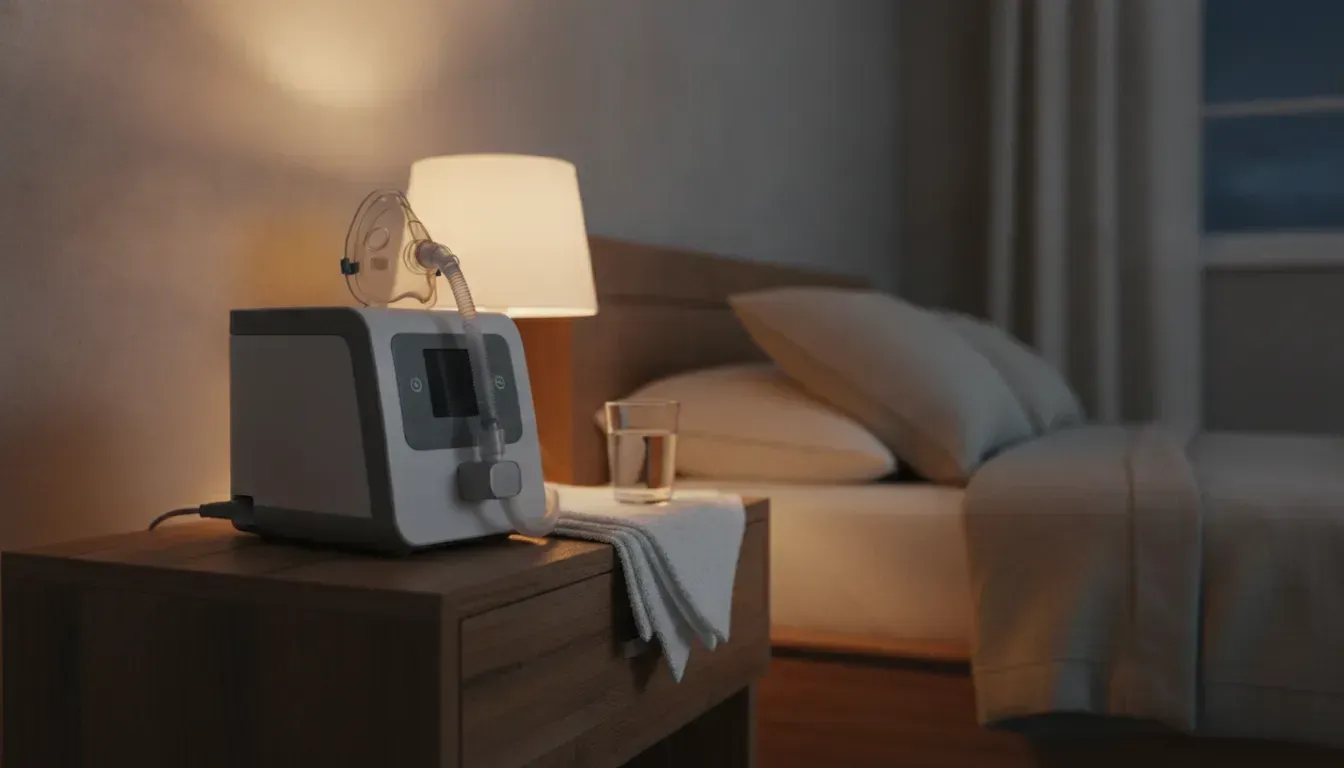
If a physician has already diagnosed OSA, treatment depends on that person's health. Continuous positive airway pressure (CPAP) is an established treatment. Some people have trouble using it. In that situation, a clinician may discuss other options. An oral appliance is not a remedy for nightmares, and this article cannot say which treatment is right.
Where an oral appliance fits after a diagnosis
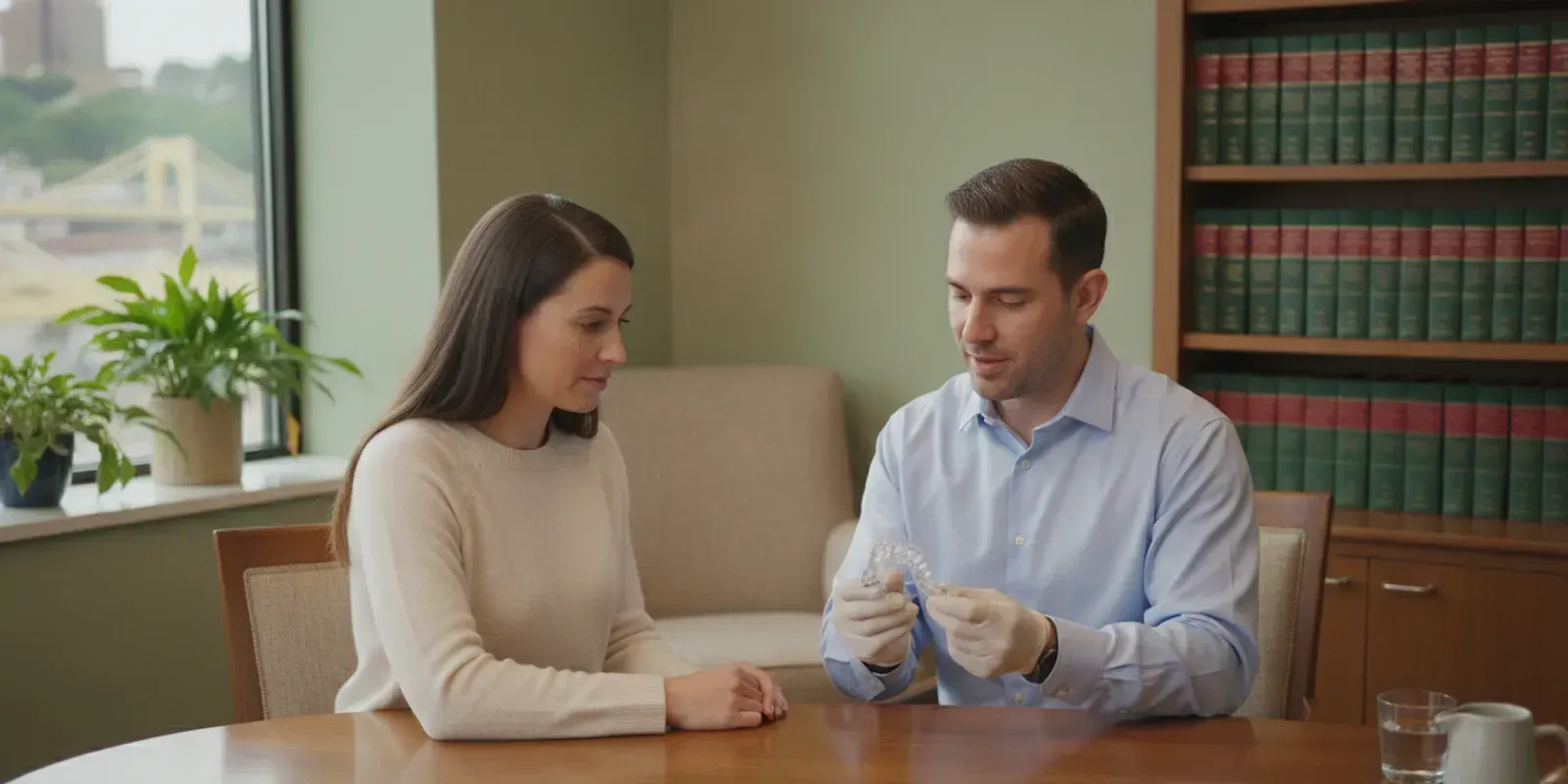
Sleep Apnea Dental Center is a greater-Pittsburgh dental sleep medicine practice. It evaluates and delivers custom oral appliances for people who already have a physician's OSA diagnosis. The oral appliances page describes devices worn during sleep that reposition the lower jaw and tongue to help open the airway. The practice presents them as an option for people who have difficulty tolerating CPAP. One of the doctors chooses a device for that person. Suitability is individual.
Formal OSA referrals are accepted only after a qualified physician has diagnosed OSA. Referring physicians and dentists are asked to confirm that diagnosis before sending a patient. Non-apneic snoring is a separate situation: the practice offers that care only after a sleep study rules out apnea. A nightmare, by itself, is not a referral.
The offices are in Moon Township (clinical Wednesday and Thursday), Cranberry Township (Monday, Tuesday, and Friday), and Monroeville (Wednesday through Friday). Clinical hours at those offices are 8:30 a.m. to 3:30 p.m. on the days listed. Phones are answered on weekdays from 8:30 a.m. to 4 p.m. Not every office sees patients every weekday.
Questions to bring to a health professional
Bring the sleep log and a current medicine list to the visit. If someone watched you sleep, ask that person what they noticed before you go. These questions can start the conversation:
- Could these symptoms warrant a check for sleep apnea or another sleep condition?
- Who should arrange the next diagnostic step, and is a sleep study needed?
- Could stress, medicine, or another factor be adding to the nightmares?
- If OSA is already diagnosed, which treatments fit my health and my experience with CPAP?
- What should I do if frightening awakenings or daytime sleepiness continue?
Seek timely medical advice for concerning breathing symptoms or severe daytime sleepiness, especially when sleepiness affects driving or work. Overlapping problems can need more than one kind of assessment.
How to contact Sleep Apnea Dental Center
If a physician has diagnosed OSA and CPAP has been hard to use, you can ask that physician whether a dental sleep medicine visit makes sense. A call to the practice is a request, not a booked visit. The appointment request form says staff contact people within one to two business days to set up an appointment. That window is not a treatment wait and not a device-delivery time.
Call (412) 367-0367 to discuss next steps
Frequently asked questions
Can sleep apnea cause nightmares?
It might be discussed together, but a dream does not prove a cause. The 2010 sleep-lab study found frequent nightmare recall less often as OSA severity rose. Other causes of nightmares are common. A physician has to look at the whole picture.
Do nightmares mean I have sleep apnea?
No. Nightmares are not a test for OSA. Loud snoring, witnessed pauses, gasping or choking awakenings, and persistent daytime sleepiness are more useful clues to mention. Only a physician, often with a sleep study, can diagnose apnea.
Should I stop CPAP if my dreams feel worse?
No. Do not stop or change a prescribed treatment on your own. Tell the clinician who manages that treatment what you noticed, including any change after starting CPAP. This practice does not adjust CPAP and does not diagnose OSA.
When should I call a doctor about bad dreams?
Call when nightmares recur, cause distress, or break up your sleep. Also call if they come with snoring, breathing pauses, gasping, or unsafe sleepiness. If you already have an OSA diagnosis and want to ask about an oral appliance, call the practice after speaking with your physician.