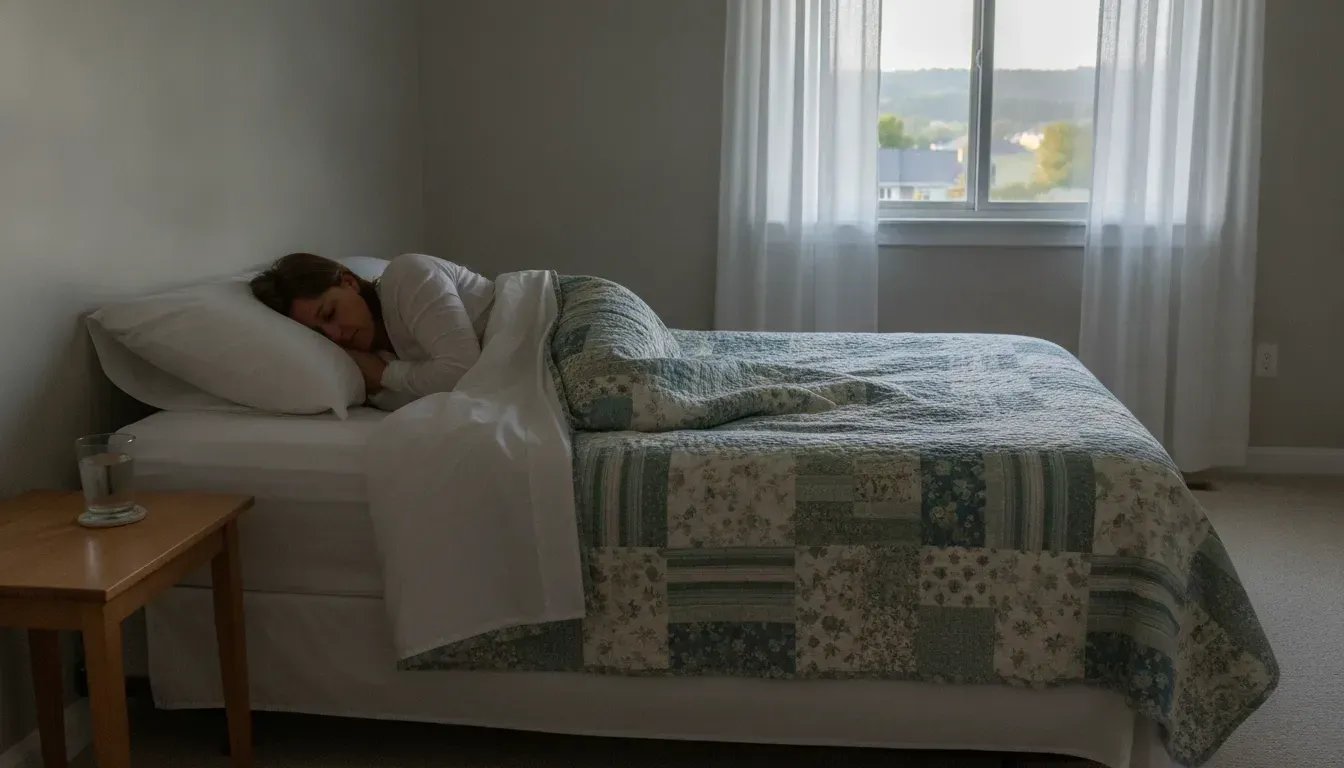

What a Specialist Sleep Doctor Does
A specialist sleep doctor diagnoses sleep apnea. Learn what an evaluation includes and when dental care starts after diagnosis in Pittsburgh.

A specialist sleep doctor is the physician who finds out whether a sleep problem is a medical disorder. They also name which kind it is. If you snore, wake up gasping, or drag through the day, that doctor can order a sleep study and name the diagnosis. Sleep Apnea Dental Center does not diagnose obstructive sleep apnea. It does not run sleep studies. The practice fits a custom oral appliance only after a qualified physician has already made that diagnosis.
Call (412) 367-0367 if you already have a diagnosis and want to ask about an oral appliance, or request an appointment.
This guide explains who that physician is, what an evaluation can include, and where a dental sleep medicine office fits afterward. It is written for patients around Pittsburgh who are trying to tell a sleep physician, a sleep lab, and a dental sleep practice apart.
What a specialist sleep doctor is
People also call this physician a sleep specialist or a somnologist. Sleep medicine is a subspecialty, not a first medical degree. The doctor finishes a primary residency, then adds sleep training through a fellowship or equivalent pathway, and may sit for board certification in sleep medicine.
The Sleep Foundation's overview of somnologists lists the backgrounds these physicians usually come from. Common ones include internal medicine, pulmonary medicine, neurology, psychiatry, pediatrics, family medicine, otolaryngology, and anesthesiology. A dentist can work in sleep care, but that is a different license and a different job. It is not the same as being the physician who diagnoses the disorder.
That split matters when you are choosing who to call. A specialist sleep doctor can evaluate insomnia, narcolepsy, restless legs, and breathing disorders such as obstructive sleep apnea. A dental sleep medicine office does not replace that visit. It takes the diagnosis the physician has already made and, when an oral appliance is appropriate, builds the device.
Board certification is a separate mark from simply working in a sleep clinic. The American Academy of Sleep Medicine encourages people with ongoing sleep symptoms to see a board-certified sleep medicine physician. That doctor is trained to order a study and interpret it. Ask which board the physician holds, and which primary specialty they trained in, before you book.
What a sleep evaluation can include
The visit usually starts with a conversation, not a machine. The National Heart, Lung, and Blood Institute says a clinician reviews symptoms, risk factors, and family history. The clinician often sends the patient to a sleep specialist or a sleep center for a study. The study shows the type of apnea and how serious it is.
You may be asked to keep a sleep diary first. A simple log of bedtimes, wake times, and daytime sleepiness gives the physician a picture that one night in a lab cannot. Bring a list of medicines too. Some drugs, including opioids, can change breathing during sleep. Recent travel above about 6,000 feet can also mimic apnea symptoms for a few weeks, so mention any high-altitude trip.
The physician may order bloodwork or other tests when another condition could be driving the symptoms. Thyroid disease and polycystic ovary syndrome are examples the NHLBI names. None of that testing happens at a dental office. Sleep Apnea Dental Center does not run those studies or make the diagnosis.
Tests a physician may choose
The NHLBI describes a sleep study, also called polysomnography, as a painless test of how you sleep. It also shows how your body responds. A full-night study in a center can record brain waves, heart rate, breathing, and blood oxygen. Sensors are placed and then removed. The risk is mostly minor skin irritation.
Not everyone needs an overnight lab night. Your doctor decides whether the test happens at a sleep center or at home with a portable device. Other tests exist for different questions. A multiple sleep latency test looks at how fast you fall asleep during daytime naps. A maintenance of wakefulness test looks at whether you can stay alert. An activity monitor worn at home for days or weeks shows sleep timing when the question is schedule, not breathing.
A sleep technologist often runs the recording. The specialist sleep doctor reads the result and decides what it means. Waking up during the night does not ruin the study. Technologists expect it, and they can pause to let you use the bathroom. The useful record is the pattern across the night, not one unbroken stretch of sleep.
| Who you see | What they can do | What they do not do |
|---|---|---|
| Specialist sleep doctor. | Takes a sleep history, chooses a study, diagnoses the disorder, and directs medical treatment. | Does not build a custom oral appliance in a dental office. |
| Sleep center or lab. | Records an overnight or home study under the physician's order. | Does not replace the diagnosing physician or fit an appliance. |
| Primary care or referring clinician. | Starts the history and sends you to sleep medicine when needed. | Does not always complete the sleep workup. |
| Dental sleep medicine practice. | After a physician diagnosis, evaluates you for a custom oral appliance. | Does not diagnose obstructive sleep apnea or run the sleep study. |
When you should ask to see one
Ask your primary care clinician about a referral if sleep problems keep returning. Loud snoring with witnessed pauses is one reason. Gasping or choking at night, morning headaches, and sleepiness while reading or driving are others. A bed partner who worries about your breathing is a reason too. You do not need to name the diagnosis yourself before the call.
A referral is often required by insurance, even when you already know the kind of doctor you want. The Sleep Foundation notes that a primary care doctor can help decide whether a specialist is the next step. That clinician can also send the referral many plans expect. Bring prior study reports if you have them. A second look is reasonable when symptoms continue, a study is years old, or treatment is not going well.
In the Pittsburgh area, hospital sleep programs diagnose these disorders. UPMC Sleep Medicine and AHN Sleep Medicine are two examples. Sleep Apnea Dental Center is not one of those clinics. If you do not yet have a diagnosis, start with your physician or a sleep medicine program. If you already have one and want to talk about an appliance, the dental office is the later stop.
Veterans follow a similar order. The practice says it participates in VA Community Care. A diagnosed veteran who has trouble with CPAP should ask their VA primary care or sleep physician for a referral. Veteran status alone does not create covered care. Eligibility, the referral, and an authorization letter still apply.
Where dental sleep medicine fits after diagnosis
Once a qualified physician has diagnosed obstructive sleep apnea, treatment has several paths. Those paths can include CPAP, an oral appliance, surgery, or another plan the physician recommends. An oral appliance is worn during sleep. It repositions the lower jaw and tongue to help open the airway. The practice describes it as an option for people who have trouble tolerating CPAP. The device is chosen for that person. It is not a cure, and it is not right for every patient.
Sleep Apnea Dental Center will also see snoring that is not apnea, but only after a sleep study has ruled apnea out. That rule exists so a noisy airway is not treated as simple snoring when it is actually a breathing disorder. Do not skip the physician step to get a device faster.
The dentists here are dental sleep medicine clinicians, not sleep physicians. Nicole Chenet, DDS, D-ABDSM, Paige K. Murrer, DMD, and Kimberly Klein, DDS are Diplomates of the American Board of Dental Sleep Medicine, as the practice reports it. Haley Brose, DMD is an AADSM Qualified Dentist who is pursuing Diplomate status. Qualified Dentist status is not the same as Diplomate status, and none of these credentials is a physician board in sleep medicine.
If an appliance is appropriate, the dentist looks at your teeth, bite, jaw comfort, and any clenching or grinding, then chooses a device for you. That visit is a request for an appointment, not a booked time and not a treatment date. Staff contact you within one to two business days to set the visit. The practice checks medical-insurance approval before the visit so you know the expected out-of-pocket cost. Approval is not a promise that every plan pays.
How to prepare for the first physician visit
A little prep makes the evaluation more useful. You are not trying to prove a diagnosis. You are giving the specialist sleep doctor a clear history so they can choose the right test.
- Write down snoring, gasping, witnessed pauses, and how sleepy you feel during the day.
- Note bedtimes, wake times, and naps for one to two weeks if you can.
- List medicines and supplements, including anything for pain or sleep.
- Bring old sleep studies, CPAP downloads, and the name of any prior sleep doctor.
- Ask whether you need a referral, and which board certification the physician holds.
If the study confirms obstructive sleep apnea and CPAP is hard to use, ask the physician about an oral appliance. Ask whether they will refer you. Referring offices can reach Sleep Apnea Dental Center by fax at (412) 367-0366. Patients who already have that referral can use the appointment form or the phone number above.
Offices are in Moon Township, Cranberry Township, and Monroeville. Clinical days differ by office, so do not assume every site sees patients every weekday. Phone coverage is weekdays from 8:30 a.m. to 4 p.m. The locations and hours page lists which days each office is in clinic.
What this practice will and will not do
Patients sometimes call a dental sleep office hoping to skip the lab. That is not how this practice works, and it is not safe to guess. The table below is the boundary the office uses
| Your situation | Start here |
|---|---|
| No diagnosis yet, but you snore, gasp, or feel sleepy by day. | Start with primary care or a specialist sleep doctor for an evaluation and study. |
| You have diagnosed obstructive sleep apnea and trouble with CPAP. | Ask the physician about an appliance, then request a dental visit. |
| You snore only, and a study has ruled out apnea. | A dental sleep visit can discuss a non-apnea snoring appliance. |
| You want someone to read a new sleep study. | See the ordering physician or sleep center, not the dental office. |
.
For a plain description of snoring and obstructive sleep apnea, the sleep apnea education page is the better stop. For how an appliance holds the jaw and tongue forward after diagnosis, read the oral appliances page. The doctors and their dental sleep credentials are on the our doctors page.
A physician diagnosis has to come first. If you already have one and want to ask about an oral appliance, request an appointment or call (412) 367-0367.
Frequently asked questions
Is a specialist sleep doctor the same as a sleep apnea dentist?
No. A specialist sleep doctor is a physician who can order testing and diagnose sleep disorders. A sleep apnea dentist provides dental care, such as a custom oral appliance, after that diagnosis. Sleep Apnea Dental Center does not diagnose obstructive sleep apnea and does not run sleep studies.
Do I need a referral before the visit?
Many insurance plans want a referral from your primary care clinician before they cover a sleep specialist. Ask your plan. For VA Community Care, the practice directs diagnosed, CPAP-intolerant veterans to their VA primary care or sleep physician for the referral and authorization.
What happens if I wake up during a sleep study?
Waking during the night is common and does not automatically waste the test. The technologist can help you get up if you need to, then restart the recording. The physician reads the whole night, not a demand that you sleep without any wake-ups.
Can I come here first if I only snore?
Not for a diagnosis. Non-apneic snoring care is offered only after a sleep study has ruled out apnea. If you have not had that study, start with a physician. If apnea has already been ruled out, you can request a dental appointment to talk about snoring care.
Who are the doctors at Sleep Apnea Dental Center?
Nicole Chenet, DDS, D-ABDSM, is the owner and a Diplomate of the American Board of Dental Sleep Medicine. Paige K. Murrer, DMD, and Kimberly Klein, DDS, are also Diplomates, as the practice reports. Haley Brose, DMD, is an AADSM Qualified Dentist pursuing Diplomate status. They are dental sleep clinicians, not specialist sleep doctors.